
Keeping Your Feet Healthy

Healthy feet support movement throughout the day, yet foot health is often overlooked until discomfort develops. Walking and standing place repeated pressure on the feet, making proper support important for comfortable movement. Each foot contains numerous bones, joints, and muscles that work together to maintain balance and absorb impact. When these structures experience excessive strain, problems such as heel pain, arch discomfort, or skin irritation may develop. Footwear plays a role in everyday foot care. Shoes that fit poorly may create pressure points, while inadequate cushioning or support may contribute to discomfort during activity. Foot needs vary depending on a person's activity level and foot structure. Understanding how daily movement affects the feet helps explain why regular attention to foot health matters.


Foot problems may begin with subtle changes that grow over time. Some individuals experience aching after long periods of standing, while others develop soreness during walking or exercise. Blisters and calluses may form when repeated friction or pressure affects the skin. Changes in foot shape or joint movement may also influence how weight is distributed during each step. For example, limited flexibility or uneven pressure may contribute to discomfort in the heel or forefoot. Foot pain sometimes causes individuals to change their walking patterns, placing additional stress on nearby joints. Persistent tenderness, swelling, or difficulty wearing shoes often indicate that an underlying problem needs attention. Because the feet support the body's weight daily, discomfort may affect mobility and participation in regular activities. Recognizing changes early helps identify potential concerns before they interfere further with daily movement.


Podiatric care plays an important role in maintaining foot health and addressing problems that affect comfort and mobility. A podiatrist evaluates foot structure, skin health, and walking patterns to identify possible causes of discomfort. During an examination, the podiatrist may assess areas of pressure and determine whether footwear is contributing to recurring irritation. Depending on the findings, treatment may focus on relieving painful pressure, improving foot support, or addressing changes in joint function. Podiatrists also evaluate persistent skin concerns and other foot problems that may make walking uncomfortable. Individualized care considers daily activities and the specific needs of each patient, helping support long-term foot function. If you are experiencing recurring foot pain or changes in your foot health, it is suggested that you consult a podiatrist for an evaluation and appropriate treatment options.

Everyday foot care is very important to prevent infection and other foot ailments. If you need your feet checked, contact one of our doctors from Toe-Tal Health Solutions. Our doctors can provide the care you need to keep you pain-free and on your feet.

Everyday Foot Care

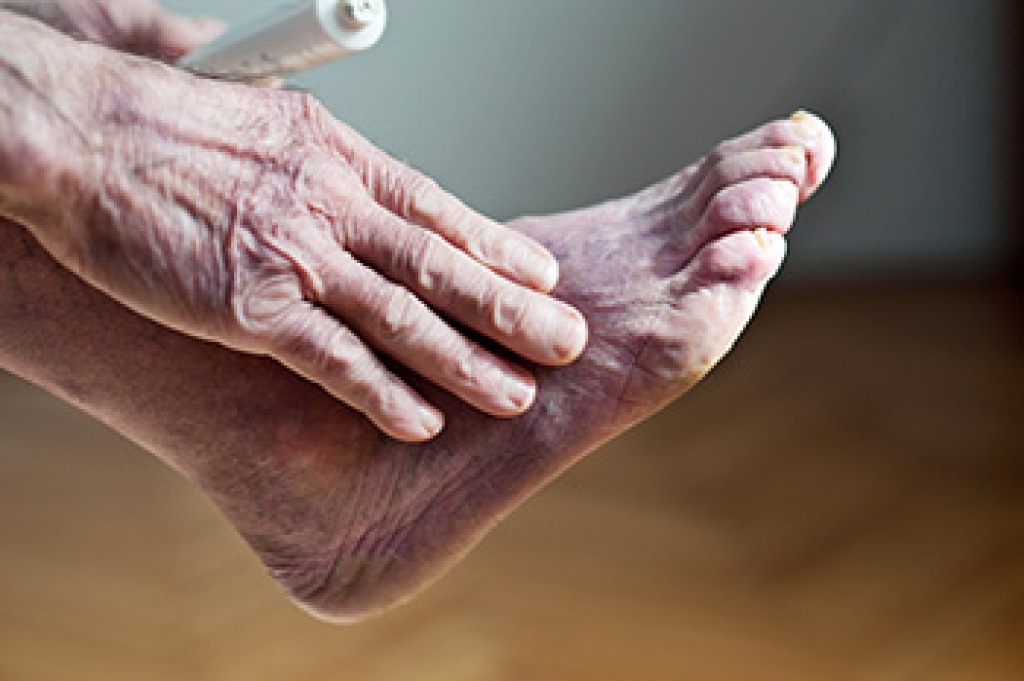
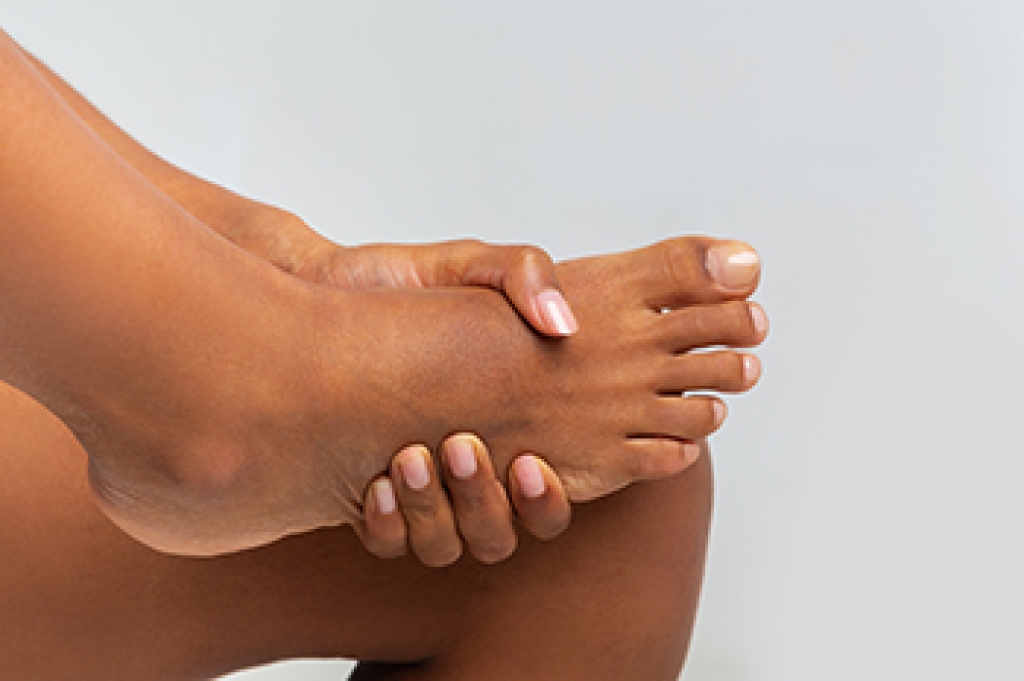
Often, people take care of their bodies, face and hair more so than they do for their feet. But the feet are a very important aspect of our bodies, and one that we should pay more attention to. Without our feet, we would not be able to perform most daily tasks.

It is best to check your feet regularly to make sure there are no new bruises or cuts that you may not have noticed before. For dry feet, moisturizer can easily be a remedy and can be applied as often as necessary to the affected areas. Wearing shoes that fit well can also help you maintain good foot health, as well as making it easier to walk and do daily activities without the stress or pain of ill-fitting shoes, high heels, or even flip flops. Wearing clean socks with closed shoes is important to ensure that sweat and bacteria do not accumulate within the shoe. Clean socks help to prevent Athlete’s foot, fungi problems, bad odors, and can absorb sweat.

If you have any questions, please feel free to contact our office located in Southern California and Las Vegas, NV . We offer the newest diagnostic and treatment technologies for all your foot care needs.
Read more about Every Day Foot Care

Warning Signs of Poor Circulation in the Feet

Poor circulation can affect how your feet feel and function each day. Blood vessels carry oxygen and nutrients throughout the body. Arteries deliver blood to the feet, while veins return it toward the heart. When arteries become narrow, the feet may receive less blood than they need. One result is calf pain while walking that improves with rest. Other warning signs include cold feet, slow-growing toenails, and wounds that heal poorly. Some people notice shiny skin or reduced hair growth on their toes. These changes deserve attention because circulation problems can affect both comfort and foot health.

Problems with veins can also affect the legs and feet. When tiny valves inside veins weaken, blood can collect in the legs instead of flowing upward efficiently. This can cause swelling, skin discoloration, or bulging veins. Poor circulation has several possible causes. Diabetes, high blood pressure, and high cholesterol can increase the risk of narrowed arteries. Smoking also damages blood vessels and raises circulation risks. Not everyone experiences obvious symptoms, so changes in walking ability should not be dismissed as normal aging. A podiatrist reviews your symptoms and examines your feet for signs of reduced blood flow.

A podiatrist can check pulses in the feet and assess skin temperature, color, and healing. Testing may compare blood pressure at the ankle with pressure in the arm. This helps identify narrowing in the arteries. A podiatrist can also monitor sores and recommend shoes that reduce pressure on vulnerable areas. Treatment planning depends on the cause and severity of circulation problems. Prompt evaluation is important when a foot becomes suddenly cold, pale, or severely painful. Ongoing circulation concerns deserve careful follow-up. If you have symptoms of poor circulation, it is suggested that you schedule an appointment with a podiatrist for diagnosis and treatment.

While poor circulation itself isn’t a condition; it is a symptom of another underlying health condition you may have. If you have any concerns with poor circulation in your feet contact one of our doctors of Toe-Tal Health Solutions. Our doctors will treat your foot and ankle needs.

Poor Circulation in the Feet

Peripheral artery disease (PAD) can potentially lead to poor circulation in the lower extremities. PAD is a condition that causes the blood vessels and arteries to narrow. In a linked condition called atherosclerosis, the arteries stiffen up due to a buildup of plaque in the arteries and blood vessels. These two conditions can cause a decrease in the amount of blood that flows to your extremities, therefore resulting in pain.

Symptoms

Some of the most common symptoms of poor circulation are:

  • Numbness
  • Tingling
  • Throbbing or stinging pain in limbs
  • Pain
  • Muscle Cramps

Treatment for poor circulation often depends on the underlying condition that causes it. Methods for treatment may include insulin for diabetes, special exercise programs, surgery for varicose veins, or compression socks for swollen legs.

As always, see a podiatrist as he or she will assist in finding a regimen that suits you. A podiatrist can also prescribe you any needed medication. 

If you have any questions, please feel free to contact our office located in Southern California and Las Vegas, NV . We offer the newest diagnostic and treatment technologies for all your foot care needs.

Read more about Causes, Symptoms, and Treatment of Poor Blood Circulation in the Feet

Pain Across the Top of Your Foot

Pain across the top of the foot can make walking, exercising, and even wearing shoes uncomfortable. One common cause is extensor tendonitis. This occurs when the tendons running along the top of the foot become irritated or inflamed. These tendons help lift the toes and foot during movement. Repeated stress can cause inflammation and tenderness. While this condition may develop gradually, pain sometimes occurs after a sudden increase in activity or a change in exercise.

Symptoms of extensor tendonitis include aching, tenderness, or warmth across the top of the foot. Pain may become worse when walking, running, or moving the toes. Wearing tight shoes can increase pressure over the irritated tendons and make symptoms more noticeable. Friction from footwear also contributes to irritation. Some people notice discomfort when pressing on the affected area. Rest may provide temporary relief, but ongoing pain should not be ignored.


Several factors increase the risk of pain across the top of the foot. Increasing exercise too quickly can place extra stress on the extensor tendons. Activities that involve repeated running or jumping may also contribute. Wearing shoes that are too tight across the instep creates friction and pressure. Abnormal foot arches may change how weight is distributed during movement, which places additional strain on the tendons. Previous foot injuries also increase the likelihood of developing tendon irritation.


A podiatrist will examine your foot and assess your walking pattern, footwear, and areas of tenderness. Imaging tests may be recommended when a fracture or another condition needs to be ruled out. Treatment options include activity changes, supportive footwear, or other measures to reduce pressure on the affected area. Your podiatrist may also recommend a gradual return to activity as symptoms improve. If you have foot pain in this part of your foot, it is suggested that you consult a podiatrist who can accurately diagnose and treat extensor tendonitis.

Foot Pain

Foot pain can be extremely painful and debilitating. If you have a foot pain, consult with one of our doctors from Toe-Tal Health Solutions. Our doctors will assess your condition and provide you with quality foot and ankle treatment.

Causes

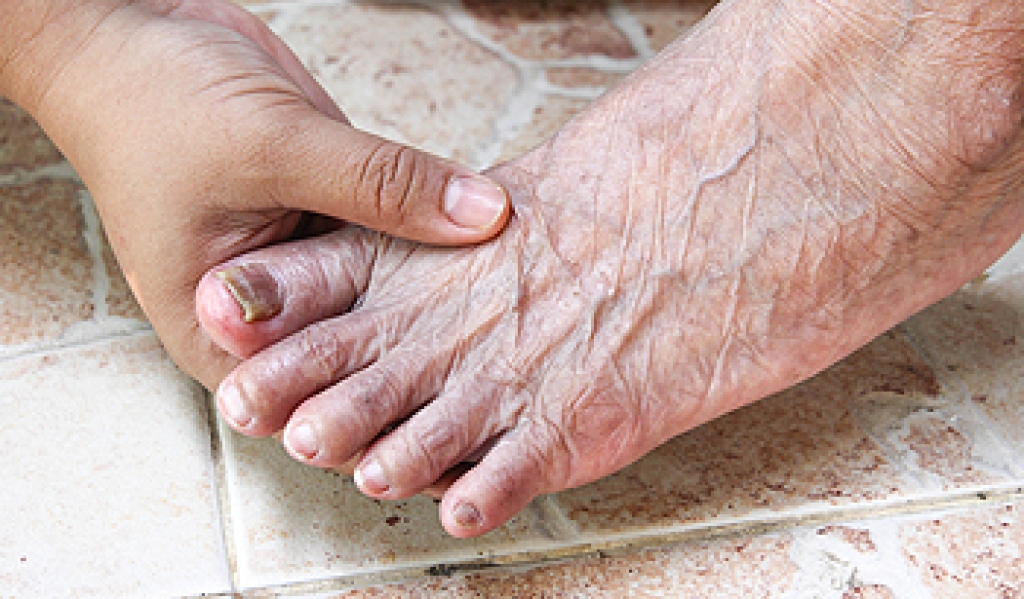
Foot pain is a very broad condition that could be caused by one or more ailments. The most common include:

  • Bunions
  • Hammertoes
  • Plantar Fasciitis
  • Bone Spurs
  • Corns
  • Tarsal Tunnel Syndrome
  • Ingrown Toenails
  • Arthritis (such as Gout, Rheumatoid, and Osteoarthritis)
  • Flat Feet
  • Injury (from stress fractures, broken toe, foot, ankle, Achilles tendon ruptures, and sprains)
  • And more

Diagnosis

To figure out the cause of foot pain, podiatrists utilize several different methods. This can range from simple visual inspections and sensation tests to X-rays and MRI scans. Prior medical history, family medical history, and any recent physical traumatic events will all be taken into consideration for a proper diagnosis.

Treatment

Treatment depends upon the cause of the foot pain. Whether it is resting, staying off the foot, or having surgery; podiatrists have a number of treatment options available for foot pain.

If you have any questions, please feel free to contact our office located in Southern California and Las Vegas, NV . We offer the newest diagnostic and treatment technologies for all your foot care needs.
Read more about Foot Pain

Are You Suffering From Ingrown Toenails?

If left untreated, an ingrown toenail can lead to more serious concerns, such as an infection. Knowing proper nail care can help in the prevention of an ingrown toenail. Give us a call, and get treated!

Recognizing Toenail Fungus Infections

Toenail fungus is a fungal infection that affects the nail, the tissue beneath it, or both. Toenails are much more commonly affected than fingernails. The infection can cause a toenail to become thickened and develop yellow or white discoloration. Material may also collect underneath the nail, and the nail can begin separating from the nail bed. Several types of fungi can cause these infections. Risk factors include older age, previous nail damage, and athlete’s foot. Diabetes and poor circulation can also increase the likelihood of developing toenail fungus.


Toenail fungus does not always cause discomfort, especially during its earlier stages. However, changes in the appearance and structure of the nail may become more noticeable as the infection progresses. Some fungal infections begin near the end of the nail and cause thickening or yellowing. Others can create a chalky white appearance on the nail surface. Because other nail disorders can look similar, appearance alone is not always enough to confirm a fungal infection. Testing a sample from the affected nail can help determine whether fungus is actually responsible for the changes.


A podiatrist can examine an abnormal toenail and determine whether testing for toenail fungus is appropriate. Confirming the diagnosis is important because conditions like psoriasis can cause similar nail changes but require different treatment. Depending on the number of nails affected and the severity of the infection, professional treatment may include topical or oral antifungal medication. Toenails grow slowly, so a healthy-looking new nail may take 12 to 18 months to fully replace the affected nail. Treatment decisions can also depend on other medical conditions and the amount of discomfort caused by the infection. If you notice persistent toenail thickening, discoloration, or separation from the nail bed, it is suggested that you consult a podiatrist for an evaluation and appropriate treatment options.

For more information about treatment, contact one of our doctors of Toe-Tal Health Solutions. Our doctors can provide the care you need to keep you pain-free and on your feet.

Toenail Fungus Treatment

Toenail fungus is a condition that affects many people and can be especially hard to get rid of. Fortunately, there are several methods to go about treating and avoiding it.

Antifungals & Deterrence

Oral antifungal medicine has been shown to be effective in many cases. It is important to consult with a podiatrist to determine the proper regiment for you, or potentially explore other options.

Applying foot powder on the feet and shoes helps keep the feet free of moisture and sweat.

Sandals or open toed shoes – Wearing these will allow air movement and help keep feet dry. They also expose your feet to light, which fungus cannot tolerate. Socks with moisture wicking material also help as well.

If you have any questions please contact our office located in Southern California and Las Vegas, NV . We offer the newest diagnostic and treatment technologies for all your foot and ankle needs.

Read more about How to Treat Your Toenail Fungus
scroll to top