Cuboid Syndrome and Foot Pain

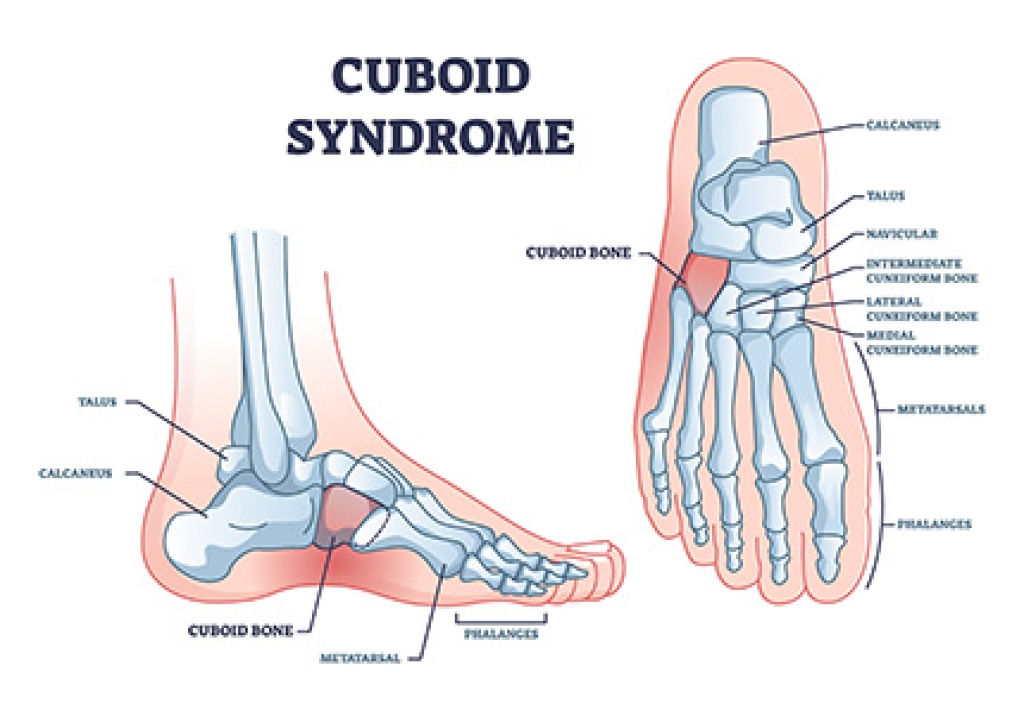
Cuboid syndrome is a condition involving the cuboid bone on the outer side of the foot. This small, cube-shaped bone connects with several nearby bones and helps form the lateral part of the midfoot. The cuboid also provides stability while supporting normal foot movement during walking. When the cuboid becomes slightly displaced or irritated, surrounding tissues can become painful. Symptoms may include outer-foot pain, tenderness, or discomfort when putting weight on the foot. Some people notice pain that becomes worse when walking, running, or pushing off the ground.

The cuboid is located between the heel bone and the bases of the fourth and fifth metatarsals. It also connects with the navicular and lateral cuneiform bones, creating an important part of the foot’s structure. Because the cuboid helps support the outer arch and transfer forces across the foot, irritation can affect balance and movement. Cuboid syndrome may develop after an ankle sprain or another foot injury, and it can also occur when repetitive stress places excessive pressure on the midfoot.

Risk factors include activities that involve repeated running or jumping, especially when footwear does not provide adequate support. Sudden increases in athletic activity can contribute to irritation as well. Imaging tests may be recommended when a fracture or another condition needs to be ruled out. Treatment depends on the underlying cause and severity of symptoms.

A podiatrist may begin treatment by reducing activities that aggravate the foot and recommending supportive footwear. Padding or taping may help stabilize the cuboid while irritated tissues recover. In some cases, a podiatrist may use a gentle manual technique to restore the cuboid to a better position. More significant injuries may require immobilization while the foot heals. Follow-up care helps determine whether symptoms are improving and whether additional support is needed. If you have symptoms of cuboid syndrome, it is suggested that you consult a podiatrist for an accurate diagnosis and appropriate treatment.

Cuboid syndrome, also known as cuboid subluxation, occurs when the joints and ligaments near the cuboid bone in the foot become torn. If you have cuboid syndrome, consult with one of our doctors from Toe-Tal Health Solutions. Our doctors will assess your condition and provide you with quality foot and ankle treatment.

Cuboid syndrome is a common cause of lateral foot pain, which is pain on the outside of the foot. The condition may happen suddenly due to an ankle sprain, or it may develop slowly overtime from repetitive tension through the bone and surrounding structures.

Causes

The most common causes of cuboid syndrome include:

  • Injury – The most common cause of this ailment is an ankle sprain.
  • Repetitive Strain – Tension placed through the peroneus longus muscle from repetitive activities such as jumping and running may cause excessive traction on the bone causing it to sublux.
  • Altered Foot Biomechanics – Most people suffering from cuboid subluxation have flat feet.

Symptoms

A common symptom of cuboid syndrome is pain along the outside of the foot which can be felt in the ankle and toes. This pain may create walking difficulties and may cause those with the condition to walk with a limp.

Diagnosis

Diagnosis of cuboid syndrome is often difficult, and it is often misdiagnosed. X-rays, MRIs and CT scans often fail to properly show the cuboid subluxation. Although there isn’t a specific test used to diagnose cuboid syndrome, your podiatrist will usually check if pain is felt while pressing firmly on the cuboid bone of your foot.

Treatment

Just as the range of causes varies widely, so do treatments. Some more common treatments are ice therapy, rest, exercise, taping, and orthotics.

If you have any questions, please feel free to contact our office located in Southern California and Las Vegas, NV . We offer the newest diagnostic and treatment technologies for all your foot care needs.
Read more about All About Cuboid Syndrome

How Peripheral Neuropathy Affects the Feet

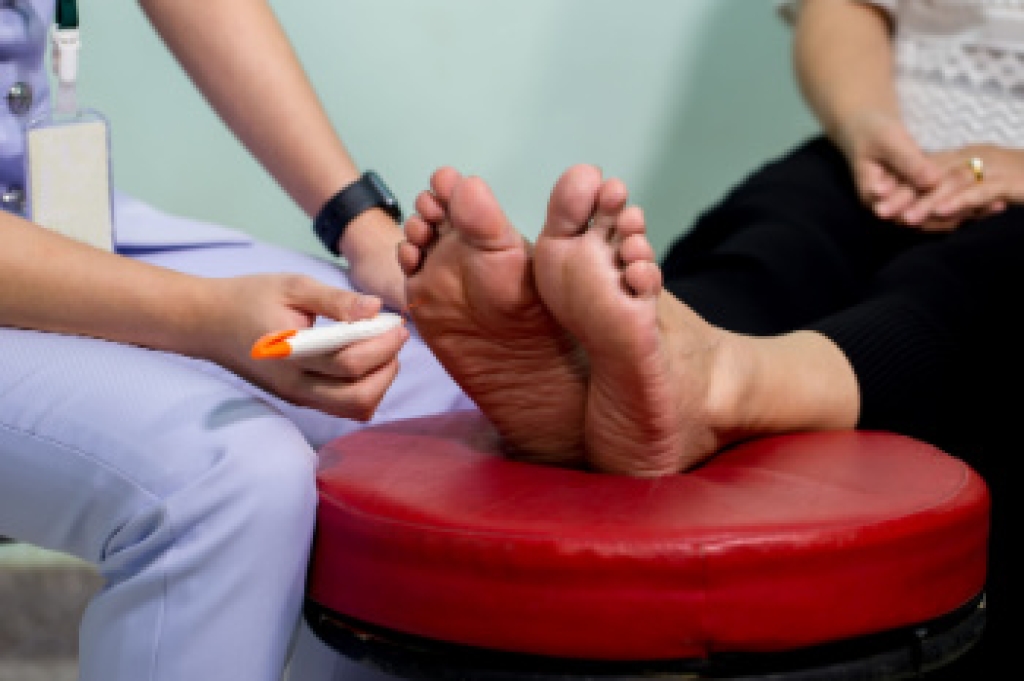
Peripheral neuropathy occurs when nerves outside the brain and spinal cord become damaged. In the feet, it can change how a person feels touch, pain, and temperature. Symptoms include numbness, tingling, and burning pain. Some patients also notice unusual sensitivity or a feeling that they are walking on a pebble or bunched-up sock. Weak foot muscles can affect balance and increase the risk of falling. Because numbness can hide a cut or blister, a small injury may worsen before the patient notices it.

Diabetes is a leading cause of peripheral neuropathy, especially when blood sugar is not well controlled. Other causes include vitamin deficiencies, nerve pressure, and certain illnesses. Injury and heavy alcohol use can also damage nerves. A podiatrist can review the patient's health history and perform a careful foot examination. Testing can check sensation, muscle strength, and reflexes. The podiatrist can also examine circulation and check for skin damage. Further testing may be needed to identify why the nerves are not working properly. This helps guide care and protect the feet from injury.

Podiatric care focuses on protecting the feet, improving stability, and preventing serious problems. A podiatrist can treat corns, calluses, or wounds that place the skin at risk. Regular nail and skin care can reduce the chance of injury, especially when patients cannot feel their feet clearly. Custom orthotics can improve pressure distribution and make the feet more stable while walking. The podiatrist can also recommend properly-fitted shoes with enough depth and cushioning. When a wound is present, care includes pressure relief, infection control, and close monitoring. Severe infections can threaten the health of the foot, and, in advanced cases, may lead to limb loss. Routine examinations allow the podiatrist to track changes in sensation and spot problems before they become more serious. If you have symptoms of peripheral neuropathy, it is suggested that you schedule an appointment with a podiatrist for effective relief and management tips. 

Neuropathy

Neuropathy can be a potentially serious condition, especially if it is left undiagnosed. If you have any concerns that you may be experiencing nerve loss in your feet, consult with one of our doctors from Toe-Tal Health Solutions. Our doctors will assess your condition and provide you with quality foot and ankle treatment for neuropathy.

What Is Neuropathy?

Neuropathy is a condition that leads to damage to the nerves in the body. Peripheral neuropathy, or neuropathy that affects your peripheral nervous system, usually occurs in the feet. Neuropathy can be triggered by a number of different causes. Such causes include diabetes, infections, cancers, disorders, and toxic substances.

Symptoms of Neuropathy Include:

  • Numbness
  • Sensation loss
  • Prickling and tingling sensations
  • Throbbing, freezing, burning pains
  • Muscle weakness

Those with diabetes are at serious risk due to being unable to feel an ulcer on their feet. Diabetics usually also suffer from poor blood circulation. This can lead to the wound not healing, infections occurring, and the limb may have to be amputated.

Treatment

To treat neuropathy in the foot, podiatrists will first diagnose the cause of the neuropathy. Figuring out the underlying cause of the neuropathy will allow the podiatrist to prescribe the best treatment, whether it be caused by diabetes, toxic substance exposure, infection, etc. If the nerve has not died, then it’s possible that sensation may be able to return to the foot.

Pain medication may be issued for pain. Electrical nerve stimulation can be used to stimulate nerves. If the neuropathy is caused from pressure on the nerves, then surgery may be necessary.

If you have any questions, please feel free to contact our office located in Southern California and Las Vegas, NV . We offer the newest diagnostic and treatment technologies for all your foot care needs.

Read more about Neuropathy
scroll to top