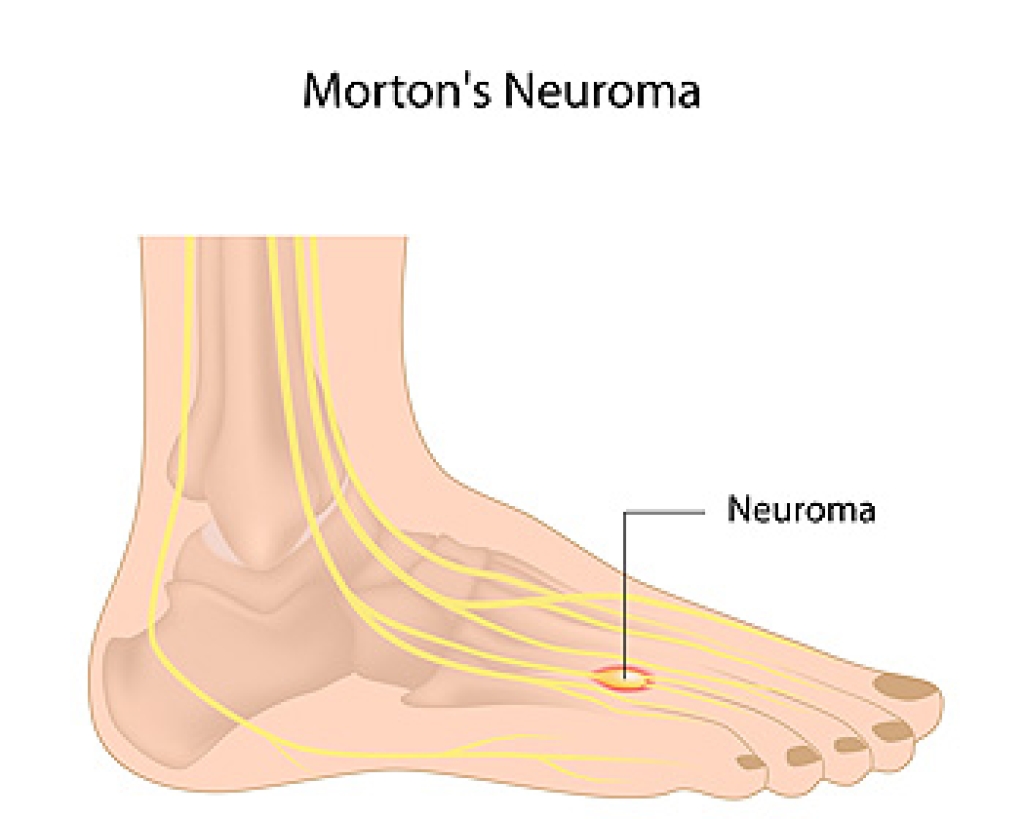
Painful Nerves in the Foot

Morton’s neuroma and traumatic neuromas are painful nerve conditions that can affect the feet in different ways. Morton’s neuroma develops when a nerve becomes thickened from repeated pressure or irritation, usually between the third and fourth toes. Many people describe burning pain, tingling, numbness, or the feeling of standing on a pebble while walking. A traumatic neuroma forms after a nerve has been injured by surgery, a deep cut, or direct trauma to the foot. As the nerve heals abnormally, it may create sharp pain, sensitivity, or electric shock sensations. Although these conditions involve different causes, both can interfere with walking and daily activity. A podiatrist can examine the foot, identify the affected nerve, and use imaging studies or diagnostic testing to confirm the condition. Treatment may include orthotics, footwear changes, injections, medication, or surgery, when symptoms become severe. If nerve pain in the foot continues to worsen, it is suggested that you visit a podiatrist for evaluation and appropriate treatment.

Morton’s neuroma is a very uncomfortable condition to live with. If you think you have Morton’s neuroma, contact one of our doctors of Toe-Tal Health Solutions. Our doctors will attend to all of your foot care needs and answer any of your related questions.  

Morton’s Neuroma

Morton's neuroma is a painful foot condition that commonly affects the areas between the second and third or third and fourth toe, although other areas of the foot are also susceptible. Morton’s neuroma is caused by an inflamed nerve in the foot that is being squeezed and aggravated by surrounding bones.

What Increases the Chances of Having Morton’s Neuroma?

  • Ill-fitting high heels or shoes that add pressure to the toe or foot
  • Jogging, running or any sport that involves constant impact to the foot
  • Flat feet, bunions, and any other foot deformities

Morton’s neuroma is a very treatable condition. Orthotics and shoe inserts can often be used to alleviate the pain on the forefront of the feet. In more severe cases, corticosteroids can also be prescribed. In order to figure out the best treatment for your neuroma, it’s recommended to seek the care of a podiatrist who can diagnose your condition and provide different treatment options.

If you have any questions, please feel free to contact our office located in California and Nevada . We offer the newest diagnostic and treatment technologies for all your foot care needs.

Read more about What is Morton's Neuroma?

Common Causes of Foot Pain

Foot pain can affect daily comfort and mobility, and it often comes from a variety of conditions that place stress on the feet. Achilles tendinitis occurs when the tendon becomes inflamed from overuse. A tendon rupture is a more severe injury involving a tear that can cause sudden pain and difficulty walking. Bunions develop as a bony bump at the base of the big toe due to joint misalignment and pressure. Diabetic neuropathy is a nerve condition linked to diabetes that can lead to burning, tingling, or reduced sensation in the feet. Ingrown toenails happen when the nail grows into the surrounding skin, often due to improper trimming or wearing tight shoes. Risk factors include repetitive activity, poor footwear, underlying health conditions, and genetics. A podiatrist can diagnose the cause of the foot pain, provide targeted treatments, and offer guidance to prevent further issues. If you have any type of foot pain, it is suggested that you promptly consult a podiatrist who can offer effective relief and treatment remedies.

Foot Pain

Foot pain can be extremely painful and debilitating. If you have a foot pain, consult with one of our doctors from Toe-Tal Health Solutions. Our doctors will assess your condition and provide you with quality foot and ankle treatment.

Causes

Foot pain is a very broad condition that could be caused by one or more ailments. The most common include:

  • Bunions
  • Hammertoes
  • Plantar Fasciitis
  • Bone Spurs
  • Corns
  • Tarsal Tunnel Syndrome
  • Ingrown Toenails
  • Arthritis (such as Gout, Rheumatoid, and Osteoarthritis)
  • Flat Feet
  • Injury (from stress fractures, broken toe, foot, ankle, Achilles tendon ruptures, and sprains)
  • And more

Diagnosis

To figure out the cause of foot pain, podiatrists utilize several different methods. This can range from simple visual inspections and sensation tests to X-rays and MRI scans. Prior medical history, family medical history, and any recent physical traumatic events will all be taken into consideration for a proper diagnosis.

Treatment

Treatment depends upon the cause of the foot pain. Whether it is resting, staying off the foot, or having surgery; podiatrists have a number of treatment options available for foot pain.

If you have any questions, please feel free to contact our office located in California and Nevada . We offer the newest diagnostic and treatment technologies for all your foot care needs.
Read more about Foot Pain

Stages of Toenail Fungus and When to Seek Care

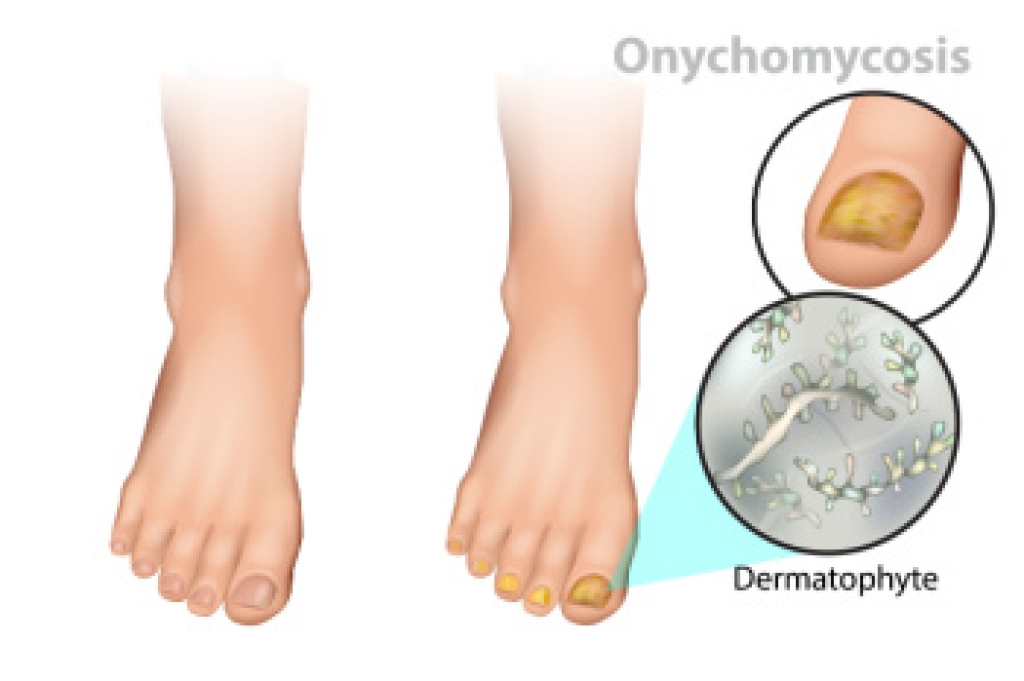
Toenail fungus affects the nail and surrounding tissue, often beginning subtly and then progressing. In the early stage, the nail may show mild discoloration or small white or yellow spots. As it moves into a moderate stage, the nail can become thicker, brittle, and more noticeably discolored. In advanced stages, the nail may crumble, separate from the nail bed, and cause discomfort. Causes include fungal exposure in warm, moist environments. Risk factors include aging, diabetes, and poor circulation. Without treatment, the condition may worsen. A podiatrist can diagnose the infection and provide effective treatment options. If you notice nail changes, it is suggested that you consult a podiatrist who can effectively treat toenail fungus, which may include prescribed medication. 

If left untreated, toenail fungus may spread to other toenails, skin, or even fingernails. If you suspect you have toenail fungus it is important to seek treatment right away. For more information about treatment, contact one of our doctors of Toe-Tal Health Solutions. Our doctors can provide the care you need to keep you pain-free and on your feet.

Symptoms

  • Warped or oddly shaped nails
  • Yellowish nails
  • Loose/separated nail
  • Buildup of bits and pieces of nail fragments under the nail
  • Brittle, broken, thickened nail

Treatment

If self-care strategies and over-the-counter medications does not help your fungus, your podiatrist may give you a prescription drug instead. Even if you find relief from your toenail fungus symptoms, you may experience a repeat infection in the future.

Prevention

In order to prevent getting toenail fungus in the future, you should always make sure to wash your feet with soap and water. After washing, it is important to dry your feet thoroughly especially in between the toes. When trimming your toenails, be sure to trim straight across instead of in a rounded shape. It is crucial not to cover up discolored nails with nail polish because that will prevent your nail from being able to “breathe”.

In some cases, surgical procedure may be needed to remove the toenail fungus. Consult with your podiatrist about the best treatment options for your case of toenail fungus.  

If you have any questions please contact our office located in California and Nevada . We offer the newest diagnostic and treatment technologies for all your foot and ankle needs.

Read more about Treating Toenail Fungus

Essential Foot Care for Diabetics

Foot care is a key part of managing diabetes, because high blood sugar can damage nerves and reduce circulation in the feet. This can make it harder to feel injuries and slower for wounds to heal. Regular evaluation by a podiatrist helps detect changes, such as reduced sensation, skin breakdown, or pressure points. A podiatrist can assess blood flow, check for nerve damage, and examine the skin and nails for signs of concern. Treatment for diabetic foot problems includes removing thickened skin in a safe, sterile setting, and managing wounds. Custom orthotics or protective footwear or casting can help to reduce pressure on high-risk areas. Education on proper foot monitoring and risk awareness is also part of ongoing diabetic foot care. Early detection and professional treatment from a podiatrist play an important role in preventing complications and preserving foot health. If you have diabetes-related foot pain, it is suggested that you make an appointment with a podiatrist for help in managing this condition.

Diabetic foot care is important in preventing foot ailments such as ulcers. If you are suffering from diabetes or have any other concerns about your feet, contact one of our doctors from Toe-Tal Health Solutions. Our doctors can provide the care you need to keep you pain-free and on your feet.

Diabetic Foot Care

Diabetes affects millions of people every year. The condition can damage blood vessels in many parts of the body, especially the feet. Because of this, taking care of your feet is essential if you have diabetes, and having a podiatrist help monitor your foot health is highly recommended.

The Importance of Caring for Your Feet

  • Routinely inspect your feet for bruises or sores.
  • Wear socks that fit your feet comfortably.
  • Wear comfortable shoes that provide adequate support.

Patients with diabetes should have their doctor monitor their blood levels, as blood sugar levels play such a huge role in diabetic care. Monitoring these levels on a regular basis is highly advised.

It is always best to inform your healthcare professional of any concerns you may have regarding your feet, especially for diabetic patients. Early treatment and routine foot examinations are keys to maintaining proper health, especially because severe complications can arise if proper treatment is not applied.

If you have any questions, please feel free to contact our office located in California and Nevada . We offer the newest diagnostic and treatment technologies for all your foot care needs.

Read more about Diabetic Foot Conditions
scroll to top