Healthy feet support movement throughout the day, yet foot health is often overlooked until discomfort develops. Walking and standing place repeated pressure on the feet, making proper support important for comfortable movement. Each foot contains numerous bones, joints, and muscles that work together to maintain balance and absorb impact. When these structures experience excessive strain, problems such as heel pain, arch discomfort, or skin irritation may develop. Footwear plays a role in everyday foot care. Shoes that fit poorly may create pressure points, while inadequate cushioning or support may contribute to discomfort during activity. Foot needs vary depending on a person's activity level and foot structure. Understanding how daily movement affects the feet helps explain why regular attention to foot health matters.
Foot problems may begin with subtle changes that grow over time. Some individuals experience aching after long periods of standing, while others develop soreness during walking or exercise. Blisters and calluses may form when repeated friction or pressure affects the skin. Changes in foot shape or joint movement may also influence how weight is distributed during each step. For example, limited flexibility or uneven pressure may contribute to discomfort in the heel or forefoot. Foot pain sometimes causes individuals to change their walking patterns, placing additional stress on nearby joints. Persistent tenderness, swelling, or difficulty wearing shoes often indicate that an underlying problem needs attention. Because the feet support the body's weight daily, discomfort may affect mobility and participation in regular activities. Recognizing changes early helps identify potential concerns before they interfere further with daily movement.
Podiatric care plays an important role in maintaining foot health and addressing problems that affect comfort and mobility. A podiatrist evaluates foot structure, skin health, and walking patterns to identify possible causes of discomfort. During an examination, the podiatrist may assess areas of pressure and determine whether footwear is contributing to recurring irritation. Depending on the findings, treatment may focus on relieving painful pressure, improving foot support, or addressing changes in joint function. Podiatrists also evaluate persistent skin concerns and other foot problems that may make walking uncomfortable. Individualized care considers daily activities and the specific needs of each patient, helping support long-term foot function. If you are experiencing recurring foot pain or changes in your foot health, it is suggested that you consult a podiatrist for an evaluation and appropriate treatment options.
Everyday foot care is very important to prevent infection and other foot ailments. If you need your feet checked, contact one of our doctors from Toe-Tal Health Solutions. Our doctors can provide the care you need to keep you pain-free and on your feet.
Everyday Foot Care
Often, people take care of their bodies, face and hair more so than they do for their feet. But the feet are a very important aspect of our bodies, and one that we should pay more attention to. Without our feet, we would not be able to perform most daily tasks.
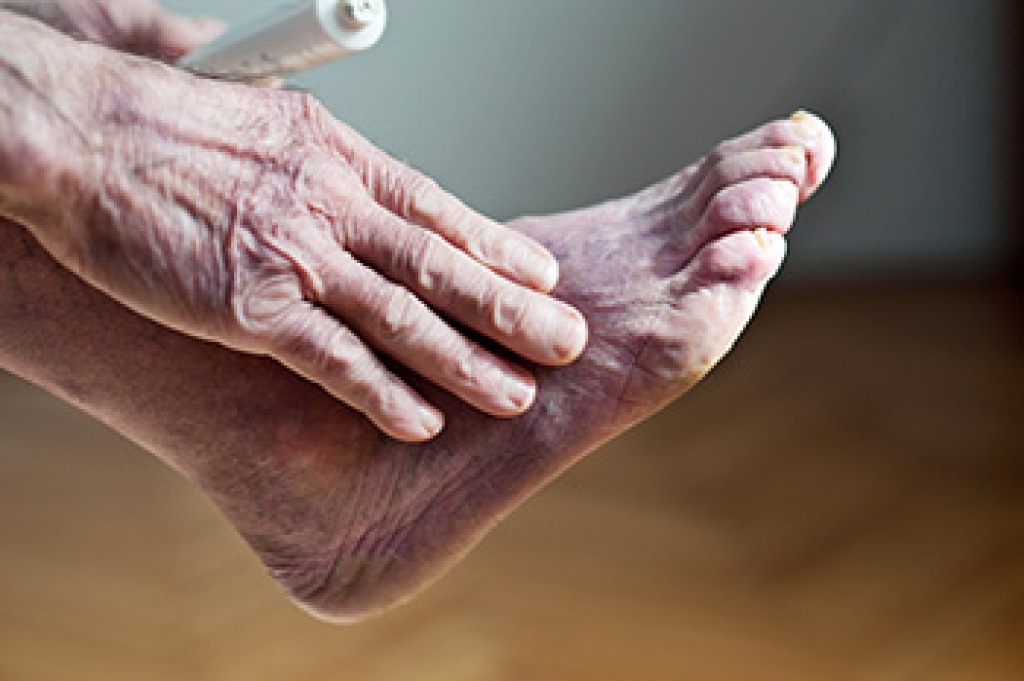
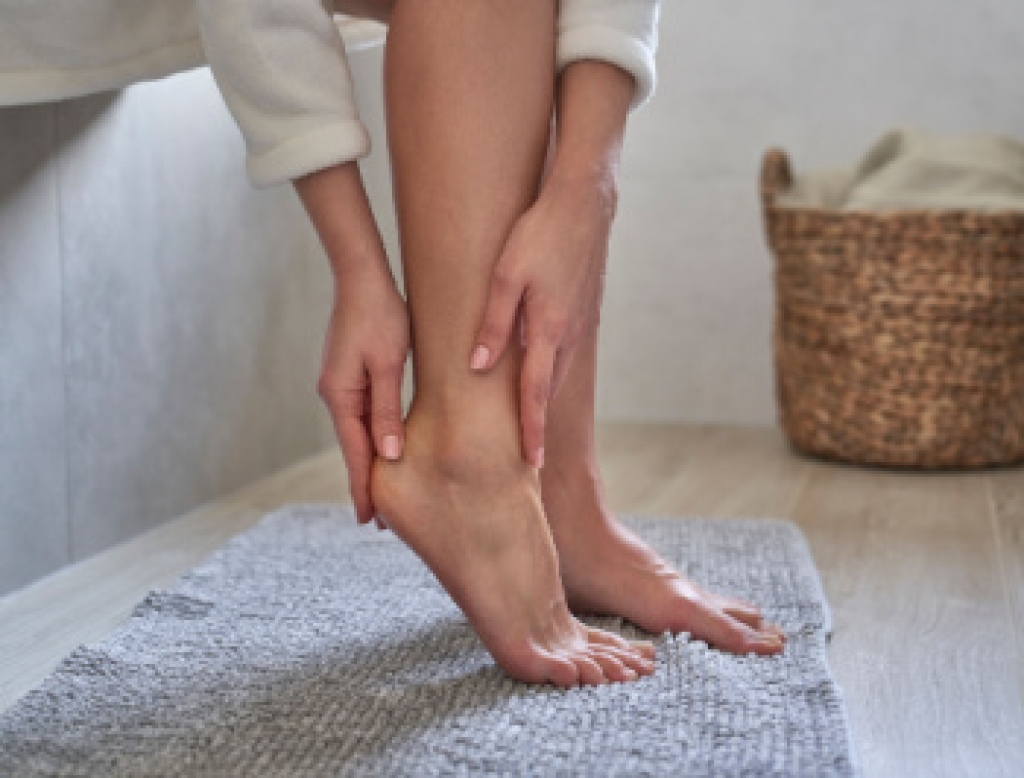
It is best to check your feet regularly to make sure there are no new bruises or cuts that you may not have noticed before. For dry feet, moisturizer can easily be a remedy and can be applied as often as necessary to the affected areas. Wearing shoes that fit well can also help you maintain good foot health, as well as making it easier to walk and do daily activities without the stress or pain of ill-fitting shoes, high heels, or even flip flops. Wearing clean socks with closed shoes is important to ensure that sweat and bacteria do not accumulate within the shoe. Clean socks help to prevent Athlete’s foot, fungi problems, bad odors, and can absorb sweat.
If you have any questions, please feel free to contact our office located in Southern California and Las Vegas, NV . We offer the newest diagnostic and treatment technologies for all your foot care needs.