
Suffering from this type of pain? You may have the foot condition known as Morton's neuroma. Morton's neuroma may develop as a result of ill-fitting footwear and existing foot deformities. We can help.
Suffering from this type of pain? You may have the foot condition known as Morton's neuroma. Morton's neuroma may develop as a result of ill-fitting footwear and existing foot deformities. We can help.
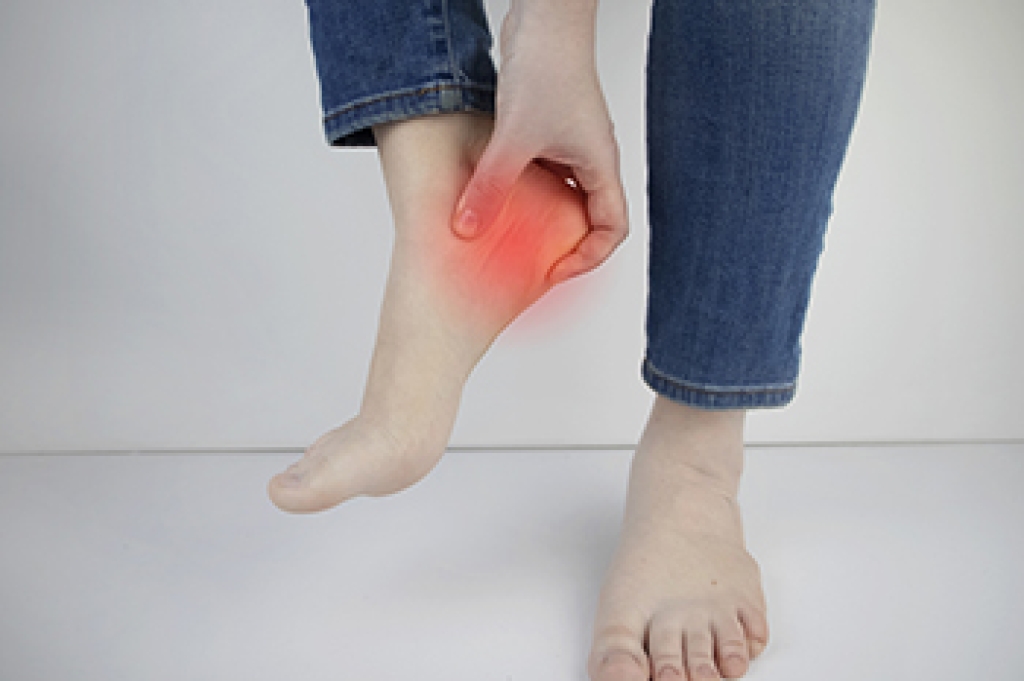
Plantar fasciitis is a common foot condition caused by inflammation of the plantar fascia, the thick band of tissue that supports the arch of the foot. It often results in sharp heel pain, especially during the first steps in the morning or after periods of rest. Causes include overuse, tight calf muscles, and wearing unsupportive footwear. Risk factors involve prolonged standing, high impact activities, obesity, and flat feet or high arches. Relief can be achieved through gentle stretching exercises, wearing supportive shoes, and reducing strain on the heel. A podiatrist can diagnose the condition, recommend custom orthotics, and create a personalized treatment plan to reduce pain and promote healing. If you have heel pain, it is suggested that you consult a podiatrist who can accurately diagnose and treat what may be going on.
Plantar fasciitis is a common foot condition that is often caused by a strain injury. If you are experiencing heel pain or symptoms of plantar fasciitis, contact one of our doctors from Toe-Tal Health Solutions. Our doctors can provide the care you need to keep you pain-free and on your feet.
What Is Plantar Fasciitis?
Plantar fasciitis is one of the most common causes of heel pain. The plantar fascia is a ligament that connects your heel to the front of your foot. When this ligament becomes inflamed, plantar fasciitis is the result. If you have plantar fasciitis you will have a stabbing pain that usually occurs with your first steps in the morning. As the day progresses and you walk around more, this pain will start to disappear, but it will return after long periods of standing or sitting.
What Causes Plantar Fasciitis?
There are some risk factors that may make you more likely to develop plantar fasciitis compared to others. The condition most commonly affects adults between the ages of 40 and 60. It also tends to affect people who are obese because the extra pounds result in extra stress being placed on the plantar fascia.
Prevention
There are a variety of treatment options available for plantar fasciitis along with the pain that accompanies it. Additionally, physical therapy is a very important component in the treatment process. It is important that you meet with your podiatrist to determine which treatment option is best for you.
If you have any questions, please feel free to contact our office located in Southern California and Las Vegas, NV . We offer the newest diagnostic and treatment technologies for all your foot care needs.

Gout is a painful form of arthritis that often affects the big toe, although it can also involve the ankle or other joints in the foot. It develops when uric acid builds up in the body and forms sharp crystals inside a joint. A gout attack may begin suddenly, often at night, with intense pain, redness, swelling, and warmth. The joint may look shiny, swollen, and very tender, and even light pressure from a sheet or shoe can feel severe. Triggers include certain foods, alcohol, dehydration, medical conditions, or a family history of gout. A podiatrist can often recognize the signs of gout during an exam, and may recommend imaging or lab testing to help confirm the diagnosis. Treatment options include anti-inflammatory medication, footwear guidance, joint protection, and coordination with your other doctors to help manage uric acid levels and prevent future attacks. If you have gout, it is suggested that you are under the care of a podiatrist who can help you to manage this painful condition.
Gout is a foot condition that requires certain treatment and care. If you are seeking treatment, contact one of our doctors from Toe-Tal Health Solutions. Our doctors will treat your foot and ankle needs.
What Is Gout?
Gout is a type of arthritis caused by a buildup of uric acid in the bloodstream. It often develops in the foot, especially the big toe area, although it can manifest in other parts of the body as well. Gout can make walking and standing very painful and is especially common in diabetics and the obese.
People typically get gout because of a poor diet. Genetic predisposition is also a factor. The children of parents who have had gout frequently have a chance of developing it themselves.
Gout can easily be identified by redness and inflammation of the big toe and the surrounding areas of the foot. Other symptoms include extreme fatigue, joint pain, and running high fevers. Sometimes corticosteroid drugs can be prescribed to treat gout, but the best way to combat this disease is to get more exercise and eat a better diet.
If you have any questions, please feel free to contact our office located in Southern California and Las Vegas, NV . We offer the newest diagnostic and treatment technologies for all your foot care needs.
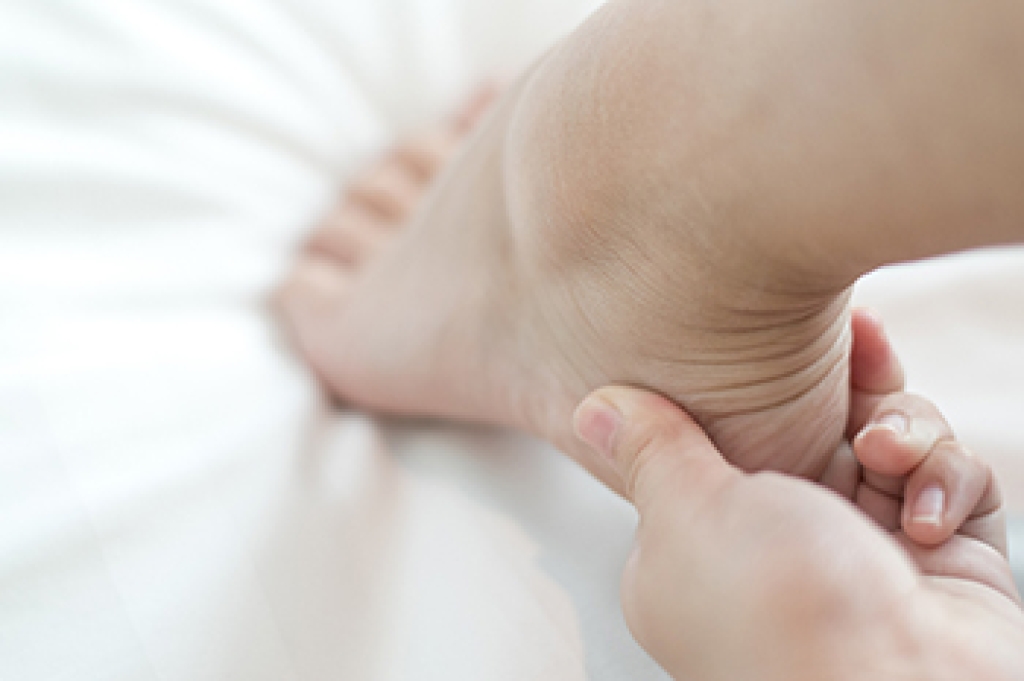
Sever’s disease is a common cause of heel pain in growing adolescents, especially those involved in sports. It is an overuse condition that affects the growth plate in the heel, where repetitive stress leads to inflammation and discomfort. This occurs when the heel bone grows faster than the surrounding muscles and tendons, creating tension and irritation. Risk factors include rapid growth, high activity levels, and wearing improper footwear. Symptoms often include heel pain during activity, tenderness, and limping. A podiatrist can evaluate the condition, recommend supportive footwear, provide custom orthotics, and guide stretching and activity modification. Early care can relieve pain and prevent worsening symptoms. If your active child is limping or has heel pain, it is suggested that you consult a podiatrist who can accurately diagnose the problem, and offer effective relief solutions.
Sever's disease often occurs in children and teens. If your child is experiencing foot or ankle pain, see one of our doctors from Toe-Tal Health Solutions. Our doctors can treat your child’s foot and ankle needs.
Sever’s Disease
Sever’s disease is also known as calcaneal apophysitis, which is a medical condition that causes heel pain I none or both feet. The disease is known to affect children between the ages of 8 and 14.
Sever’s disease occurs when part of the child’s heel known as the growth plate (calcaneal epiphysis) is attached to the Achilles tendon. This area can suffer injury when the muscles and tendons of the growing foot do not keep pace with bone growth. Therefore, the constant pain which one experiences at the back of the heel will make the child unable to put any weight on the heel. The child is then forced to walk on their toes.
Symptoms
Acute pain – Pain associated with Sever’s disease is usually felt in the heel when the child engages in physical activity such as walking, jumping and or running.
Highly active – Children who are very active are among the most susceptible in experiencing Sever’s disease, because of the stress and tension placed on their feet.
If you have any questions, please feel free to contact our office located in Southern California and Las Vegas, NV . We offer the newest diagnostic and treatment technologies for all your foot care needs.

Cold feet can be more than discomfort as they often signal poor circulation or Raynaud's phenomenon. This condition involves restricted blood flow causing the toes to feel cold, numb or painful, and they can sometimes change color. Risk factors include smoking, diabetes, autoimmune disorders, and prolonged exposure to cold temperatures. Symptoms may worsen during stress or winter months, and can affect balance, skin health, and healing in the feet. Without proper care, complications like sores or infections may develop. A podiatrist can evaluate circulation, identify underlying causes, and recommend lifestyle changes, protective footwear, and therapies to improve blood flow. If your feet are consistently cold or have become discolored, it is suggested that you promptly consult a podiatrist who can effectively treat and manage what might be going on.
Poor circulation is a serious condition and needs immediate medical attention. If you have any concerns with poor circulation in your feet contact one of our doctors of Toe-Tal Health Solutions. Our doctors will treat your foot and ankle needs.
Poor Circulation in the Feet
Poor blood circulation in the feet and legs is can be caused by peripheral artery disease (PAD), which is the result of a buildup of plaque in the arteries.
Plaque buildup or atherosclerosis results from excess calcium and cholesterol in the bloodstream. This can restrict the amount of blood which can flow through the arteries. Poor blood circulation in the feet and legs are sometimes caused by inflammation in the blood vessels, known as vasculitis.
Causes
Lack of oxygen and oxygen from poor blood circulation restricts muscle growth and development. It can also cause:
Those who have diabetes or smoke are at greatest risk for poor circulation, as are those who are over 50. If you have poor circulation in the feet and legs it may be caused by PAD and is important to make changes to your lifestyle in order to reduce risk of getting a heart attack or stroke. Exercise and maintaining a healthy lifestyle will dramatically improve conditions.
As always, see a podiatrist as he or she will assist in finding a regimen that suits you. A podiatrist can also prescribe you any needed medication.
If you have any questions, please feel free to contact our office located in Southern California and Las Vegas, NV . We offer the newest diagnostic and treatment technologies for all your foot care needs.


