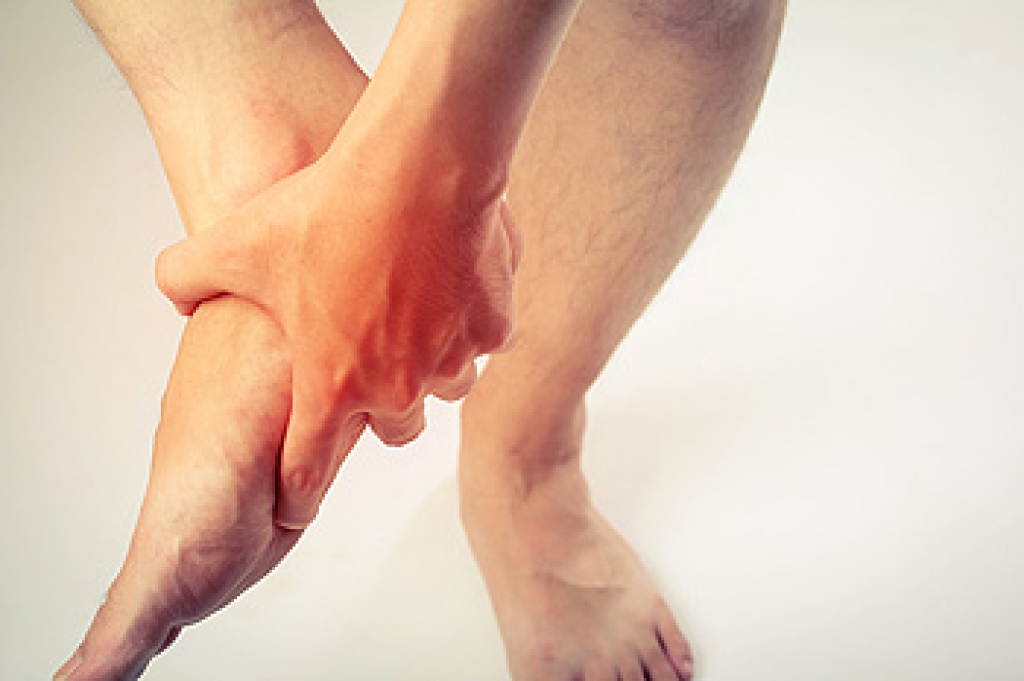
Sharp heel pain with the first steps of the morning can be a sign that you have plantar fasciitis. This condition develops when the plantar fascia, a strong band of tissue beneath the foot, becomes irritated and damaged from repeated strain. The plantar fascia connects the heel to the front of the foot and supports the arch. Pain usually develops near the bottom of the heel, although discomfort sometimes extends into the arch. Symptoms often ease after a few minutes of movement, then return after prolonged standing or activity. Pain also tends to flare when a person starts walking after sitting for a while.
Repeated pressure on the feet contributes to this condition. Running and jobs that require long periods of standing place extra stress on this tissue. A sudden increase in activity adds to that strain. Tight calf muscles limit ankle movement and further increase tension beneath the foot. Flat feet or high arches also change how the foot handles weight. Wearing shoes that lack proper support places additional pressure on the heel and arch. Being overweight is another risk factor. However, because heel pain does not always indicate plantar fasciitis, a podiatric evaluation is needed to identify the actual cause.
A podiatrist reviews when the symptoms started and which activities increase the pain. The examination includes checking for heel tenderness, assessing ankle flexibility, and observing how the patient walks. The doctor also evaluates foot structure and shoe support. Most cases are diagnosed through the symptom history and examination. When symptoms suggest another problem, imaging tests help clarify the diagnosis. X-rays reveal bone problems, including fractures, and ultrasound scans provide a closer view of the affected tissue. A heel spur sometimes appears on an X-ray, but this bony growth may not necessarily be causing pain. Nerve irritation and other heel conditions require different treatment approaches.
Treatment for plantar fasciitis focuses on reducing strain and supporting healing through a plan tailored to the patient. A podiatrist may prescribe shoe inserts called orthotics to support the arch and redistribute pressure. These devices form part of a broader treatment plan. This foot doctor also might apply supportive taping or fit a night splint to reduce morning discomfort. For severe symptoms, a prescribed walking boot temporarily limits stress on the heel. Follow-up visits allow the podiatrist to assess progress and adjust treatment as needed. Surgery is reserved for persistent cases that do not improve after extended nonsurgical care. If you have symptoms of plantar fasciitis, it is suggested that you schedule an appointment with a podiatrist for a diagnosis and appropriate treatment.
Plantar fasciitis is a common foot condition that is often caused by a strain injury. If you are experiencing heel pain or symptoms of plantar fasciitis, contact one of our doctors from Toe-Tal Health Solutions. Our doctors can provide the care you need to keep you pain-free and on your feet.
What Is Plantar Fasciitis?
Plantar fasciitis is one of the most common causes of heel pain. The plantar fascia is a ligament that connects your heel to the front of your foot. When this ligament becomes inflamed, plantar fasciitis is the result. If you have plantar fasciitis you will have a stabbing pain that usually occurs with your first steps in the morning. As the day progresses and you walk around more, this pain will start to disappear, but it will return after long periods of standing or sitting.
What Causes Plantar Fasciitis?
- Excessive running
- Having high arches in your feet
- Other foot issues such as flat feet
- Pregnancy (due to the sudden weight gain)
- Being on your feet very often
There are some risk factors that may make you more likely to develop plantar fasciitis compared to others. The condition most commonly affects adults between the ages of 40 and 60. It also tends to affect people who are obese because the extra pounds result in extra stress being placed on the plantar fascia.
Prevention
- Take good care of your feet – Wear shoes that have good arch support and heel cushioning.
- Maintain a healthy weight
- If you are a runner, alternate running with other sports that won’t cause heel pain
There are a variety of treatment options available for plantar fasciitis along with the pain that accompanies it. Additionally, physical therapy is a very important component in the treatment process. It is important that you meet with your podiatrist to determine which treatment option is best for you.
If you have any questions, please feel free to contact our office located in Southern California and Las Vegas, NV . We offer the newest diagnostic and treatment technologies for all your foot care needs.


