Broken Toe Diagnosis and Recovery

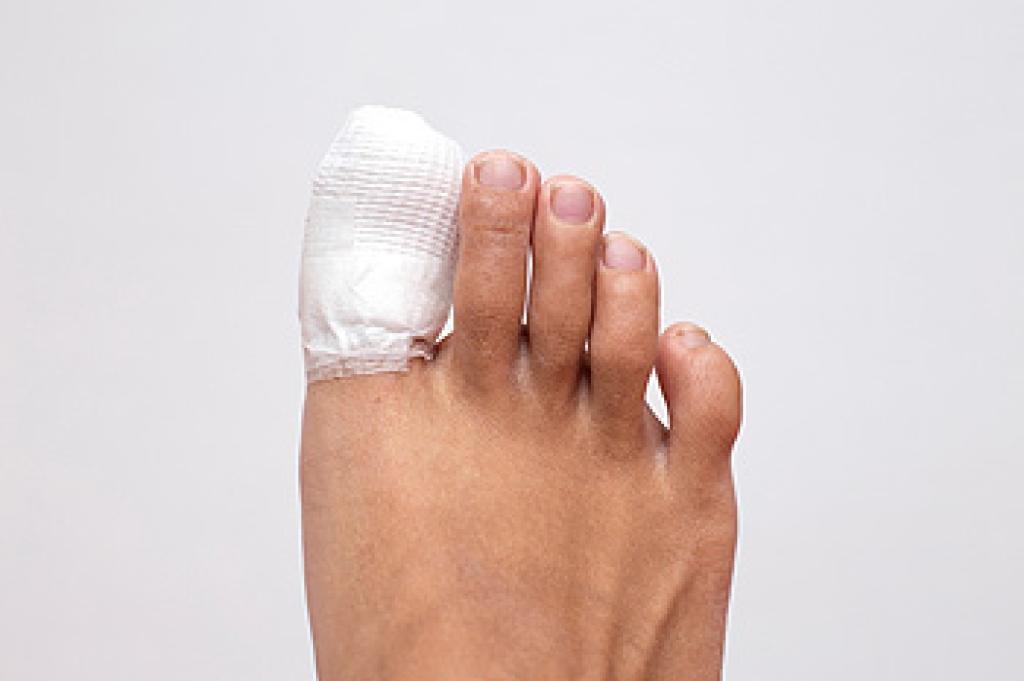
A broken toe occurs when one of the small bones in a toe fractures. This injury can happen after stubbing a toe, dropping a heavy object on the foot, or experiencing a sports-related accident. While some people assume a broken toe is a minor problem, it can cause significant discomfort and interfere with daily activities. Common broken toe symptoms include pain, swelling, bruising, tenderness, and difficulty walking. In some cases, the affected toe may appear crooked or out of alignment. Because these symptoms can also occur with a severe sprain, a professional evaluation is often needed to determine whether a toe fracture is present.


The severity of a broken toe can vary depending on the location and type of fracture. Some fractures involve a small crack in the bone, while others may cause the bone to shift out of place. A broken toe can make it difficult to wear shoes comfortably and may affect balance while walking. Without proper treatment, certain fractures may heal incorrectly, leading to ongoing pain, stiffness, or changes in toe position. Imaging studies such as X-rays are commonly used to confirm the diagnosis and evaluate the extent of the injury. Early diagnosis is important because it helps guide treatment decisions and supports proper healing.


A podiatrist is a foot and ankle specialist who can diagnose and treat broken toe injuries. During an examination, the podiatrist will assess symptoms, evaluate the alignment of the toe, and review imaging results to determine the most appropriate treatment plan. Depending on the severity of the fracture, treatment may involve immobilization, protective footwear, fracture management, or surgical care when necessary. Follow-up care is often important to ensure the bone heals correctly and normal foot function is restored. If you are experiencing toe pain, swelling, bruising, difficulty walking, or other signs of a broken toe, it is suggested that you consult a podiatrist for an evaluation and appropriate treatment options.

A broken toe can be very painful and lead to complications if not properly fixed. If you have any concerns about your feet, contact one of our doctors from Toe-Tal Health Solutions. Our doctors will treat your foot and ankle needs.

What to Know About a Broken Toe

Although most people try to avoid foot trauma such as banging, stubbing, or dropping heavy objects on their feet, the unfortunate fact is that it is a common occurrence. Given the fact that toes are positioned in front of the feet, they typically sustain the brunt of such trauma. When trauma occurs to a toe, the result can be a painful break (fracture).

Symptoms of a Broken Toe

  • Throbbing pain
  • Swelling
  • Bruising on the skin and toenail
  • The inability to move the toe
  • Toe appears crooked or disfigured
  • Tingling or numbness in the toe

Generally, it is best to stay off of the injured toe with the affected foot elevated.

Severe toe fractures may be treated with a splint, cast, and in some cases, minor surgery. Due to its position and the pressure it endures with daily activity, future complications can occur if the big toe is not properly treated.

If you have any questions, please feel free to contact our office located in Southern California and Las Vegas, NV . We offer the newest diagnostic and treatment technologies for all your foot care needs.


Read more about What to Know About a Broken Toe

Straight Toes and a Strong Foundation

In Pilates, toes play a role in guiding the body. When toes point ahead, alignment begins at the feet and travels through the ankles, knees, hips, and spine. The foot contains three arches: the transverse arch, the lateral longitudinal arch, and the medial longitudinal arch. These arches work together to absorb shock and provide stability. When these arches weaken or collapse, a condition called overpronation may occur, with feet rolling inward and toes drifting outward. This can develop from strain, poor biomechanics, or improper habits. Patients may notice imbalance or discomfort during movement. A podiatrist can evaluate structure, prescribe custom orthotics, and guide correction to restore function and control. If you have foot or ankle pain, it is suggested that you consult a podiatrist who can offer effective relief tips and guide you on additional methods that can stretch the feet.

If you have any concerns about your feet, contact one of our doctors from Toe-Tal Health Solutions. Our doctors can provide the care you need to keep you pain-free and on your feet.

Biomechanics in Podiatry

Podiatric biomechanics is a particular sector of specialty podiatry with licensed practitioners who are trained to diagnose and treat conditions affecting the foot, ankle and lower leg. Biomechanics deals with the forces that act against the body, causing an interference with the biological structures. It focuses on the movement of the ankle, the foot and the forces that interact with them.

A History of Biomechanics

  • Biomechanics dates back to the BC era in Egypt where evidence of professional foot care has been recorded.
  • In 1974, biomechanics gained a higher profile from the studies of Merton Root, who claimed that by changing or controlling the forces between the ankle and the foot, corrections or conditions could be implemented to gain strength and coordination in the area.

Modern technological improvements are based on past theories and therapeutic processes that provide a better understanding of podiatric concepts for biomechanics. Computers can provide accurate information about the forces and patterns of the feet and lower legs.

Understanding biomechanics of the feet can help improve and eliminate pain, stopping further stress to the foot.

If you have any questions please feel free to contact our office located in Southern California and Las Vegas, NV . We offer the newest diagnostic and treatment technologies for all your foot and ankle needs.

Read more about Biomechanics in Podiatry

When the Achilles Tendon Flares

Achilles tendonitis is a painful condition that affects the strong band of tissue that connects the calf muscles to the heel bone. It often appears as stiffness and soreness along the back of the ankle, especially in the morning or after activity. The problem develops from repeated strain, sudden increases in exercise, or wearing unsupportive footwear. Runners, athletes, and people who stand for long hours have a higher risk. A podiatrist can diagnose the issue through a physical exam and imaging tests, when needed. Treatment may include targeted therapies, custom orthotics, and guidance to reduce stress on the tendon. Early evaluation helps prevent worsening damage and supports a safer return to normal movement and activity. If you have symptoms of an Achilles tendon injury, it is suggested that you consult a podiatrist who can accurately diagnose and offer effective treatment solutions.

Achilles tendon injuries need immediate attention to avoid future complications. If you have any concerns, contact one of our doctors of Toe-Tal Health Solutions. Our doctors can provide the care you need to keep you pain-free and on your feet.

What Is the Achilles Tendon?

The Achilles tendon is a tendon that connects the lower leg muscles and calf to the heel of the foot. It is the strongest tendon in the human body and is essential for making movement possible. Because this tendon is such an integral part of the body, any injuries to it can create immense difficulties and should immediately be presented to a doctor.

What Are the Symptoms of an Achilles Tendon Injury?

There are various types of injuries that can affect the Achilles tendon. The two most common injuries are Achilles tendinitis and ruptures of the tendon.

Achilles Tendinitis Symptoms

  • Inflammation
  • Dull to severe pain
  • Increased blood flow to the tendon
  • Thickening of the tendon

Rupture Symptoms

  • Extreme pain and swelling in the foot
  • Total immobility

Treatment and Prevention

Achilles tendon injuries are diagnosed by a thorough physical evaluation, which can include an MRI. Treatment involves rest, physical therapy, and in some cases, surgery. However, various preventative measures can be taken to avoid these injuries, such as:

  • Thorough stretching of the tendon before and after exercise
  • Strengthening exercises like calf raises, squats, leg curls, leg extensions, leg raises, lunges, and leg presses

If you have any questions please feel free to contact our office located in Southern California and Las Vegas, NV . We offer the newest diagnostic tools and technology to treat your foot and ankle needs.

Read more about What are Achilles Tendon Injuries

Foot Wounds and Diabetes Risks

Foot wounds are a common and serious concern for people living with diabetes. High blood sugar levels can damage nerves and reduce circulation, making it harder to feel injuries and slower for the body to heal. Small cuts or pressure spots may go unnoticed and develop into open sores, which can lead to soft tissue infections if not treated promptly. Risk factors include poor circulation, nerve damage, and wearing ill-fitting shoes. These wounds often appear on the bottom of the foot or around pressure points, and may worsen over time without proper care. A podiatrist can evaluate circulation, check for infection, and provide advanced treatments to promote healing and prevent complications. Early care can reduce the risk of severe outcomes. If you have diabetes and have developed foot wounds, it is strongly suggested that you consult a podiatrist who can help you to manage this serious condition.

Wound care is an important part in dealing with diabetes. If you have diabetes and a foot wound or would like more information about wound care for diabetics, consult with one of our doctors from Toe-Tal Health Solutions. Our doctors will assess your condition and provide you with quality foot and ankle treatment.

What Is Wound Care?

Wound care is the practice of taking proper care of a wound. This can range from the smallest to the largest of wounds. While everyone can benefit from proper wound care, it is much more important for diabetics. Diabetics often suffer from poor blood circulation which causes wounds to heal much slower than they would in a non-diabetic. 

What Is the Importance of Wound Care?

While it may not seem apparent with small ulcers on the foot, for diabetics, any size ulcer can become infected. Diabetics often also suffer from neuropathy, or nerve loss. This means they might not even feel when they have an ulcer on their foot. If the wound becomes severely infected, amputation may be necessary. Therefore, it is of the upmost importance to properly care for any and all foot wounds.

How to Care for Wounds

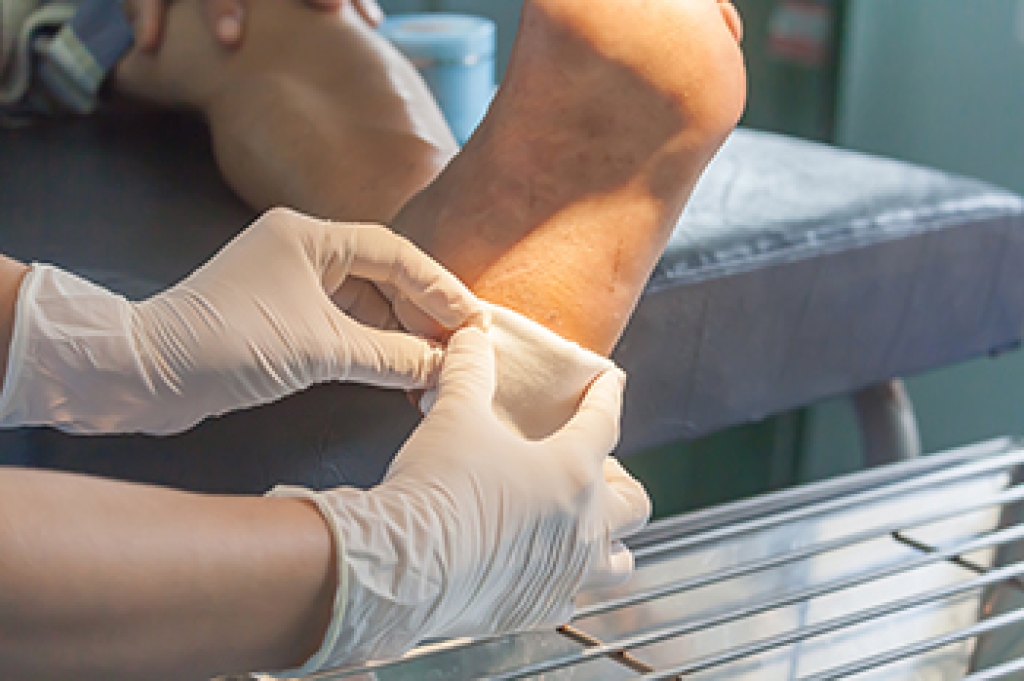
The best way to care for foot wounds is to prevent them. For diabetics, this means daily inspections of the feet for any signs of abnormalities or ulcers. It is also recommended to see a podiatrist several times a year for a foot inspection. If you do have an ulcer, run the wound under water to clear dirt from the wound; then apply antibiotic ointment to the wound and cover with a bandage. Bandages should be changed daily and keeping pressure off the wound is smart. It is advised to see a podiatrist, who can keep an eye on it.

If you have any questions please contact our office located in Southern California and Las Vegas, NV . We offer the newest diagnostic and treatment technologies for all your foot and ankle needs.

Read more about Wound Care

Reminder: When Was the Last Time...?

Custom orthotics, or shoe inserts, should be periodically replaced. Orthotics must fit properly to give you the best results. Protect your feet and ankles!

scroll to top