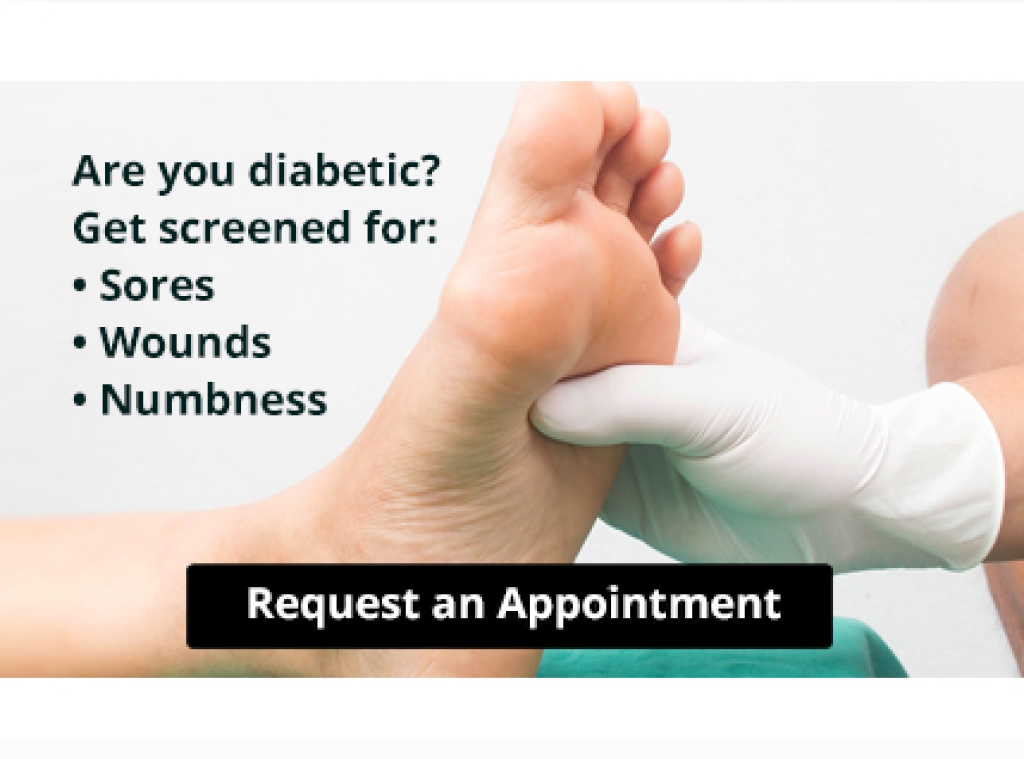
Your feet are covered most of the day. If you're diabetic, periodic screening is important for good health. Numbness is often a sign of diabetic foot and can mask a sore or wound.
Your feet are covered most of the day. If you're diabetic, periodic screening is important for good health. Numbness is often a sign of diabetic foot and can mask a sore or wound.
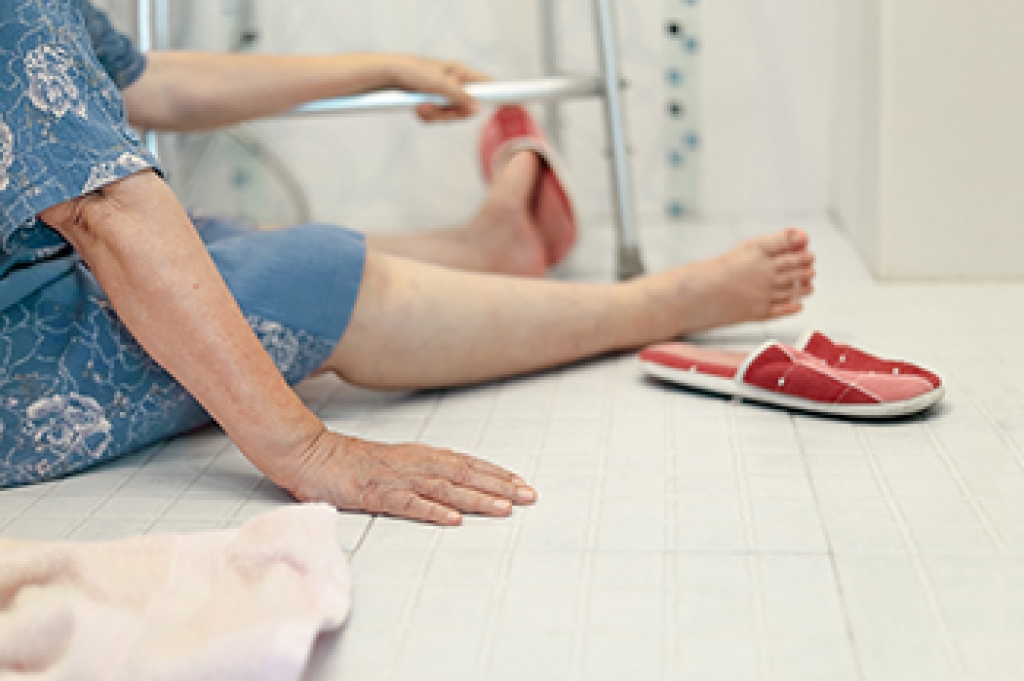
Falls can cause serious injuries and threaten an older adult’s independence. Foot pain, poor balance, and wearing poorly-fitting shoes can make a fall more likely. Shoes affect how securely the feet meet the ground. Loose shoes can slide or come off, while high heels can shift body weight forward. Smooth soles provide less grip on slick surfaces. Shoes that lack proper support can also reduce stability. Choosing appropriate shoes is therefore an important part of a complete falls-prevention plan.
A safer shoe should fit securely without pinching the toes or slipping at the heel. Laces, straps, or buckles help hold the foot in place. A wide, low heel provides a steadier base than a narrow or raised heel. The sole should have good traction and enough contact with the ground. Lightweight shoes can make it easier to lift the feet and avoid catching a toe. Patients should replace shoes with badly worn tread or uneven soles. Slippers, backless shoes, and socks without shoes can increase the chance of slipping. Even a well-designed shoe can create problems when it is the wrong size, so both feet should be measured because their size can differ.
A podiatrist can examine the feet for problems that interfere with safe movement. The evaluation includes checking strength, joint motion, and sensation. The podiatrist can also watch how a patient stands and walks to identify changes that affect balance. Treatment can reduce pain from corns, thick nails, or arthritis. Custom orthotics can improve support and help distribute pressure more evenly inside the shoes. A podiatrist can recommend shoe features based on the patient’s foot shape, health needs, and activity level. Regular foot examinations can detect changes that make walking less secure. Addressing these concerns can support mobility, confidence, and independence. If you have injured your foot or ankle from falling, it is suggested that you schedule an appointment with a podiatrist for relief and treatment solutions.
Preventing falls among the elderly is very important. If you are older and have fallen or fear that you are prone to falling, consult with one of our doctors from Toe-Tal Health Solutions. Our doctors will assess your condition and provide you with quality advice and care.
Every 11 seconds, an elderly American is being treated in an emergency room for a fall related injury. Falls are the leading cause of head and hip injuries for those 65 and older. Due to decreases in strength, balance, senses, and lack of awareness, elderly persons are very susceptible to falling. Thankfully, there are a number of things older persons can do to prevent falls.
How to Prevent Falls
Some effective methods that older persons can do to prevent falls include:
Falling can be a traumatic and embarrassing experience for elderly persons; this can make them less willing to leave the house, and less willing to talk to someone about their fears of falling. Doing such things, however, will increase the likelihood of tripping or losing one’s balance. Knowing the causes of falling and how to prevent them is the best way to mitigate the risk of serious injury.
If you have any questions, please feel free to contact our office located in Southern California and Las Vegas, NV . We offer the newest diagnostic and treatment technologies for all your foot care needs.
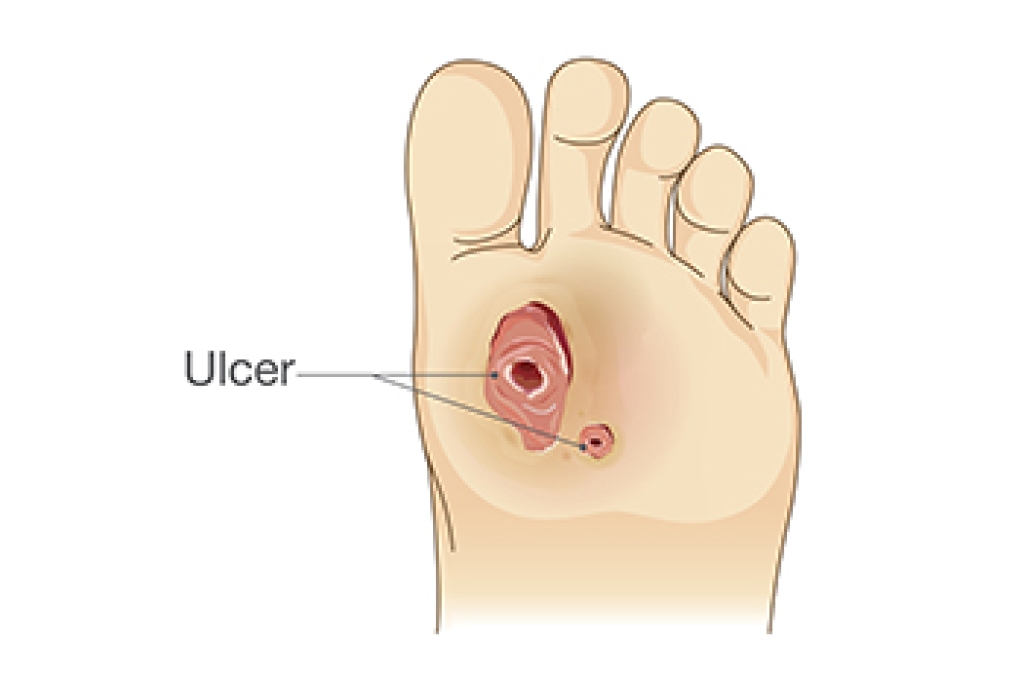
A foot wound is a break in the skin that may occur from pressure, friction, or minor injury. In people with diabetes, even a small cut can become serious because the body does not heal as efficiently. High blood sugar can damage blood vessels and reduce circulation, which limits oxygen and nutrient delivery to the tissue. This creates an environment where wounds take longer to close and are more prone to infection.
Common symptoms include redness, swelling, and delayed healing. Some patients notice bruising around the wound or a darkened area that signals tissue damage. There may also be weakness in the surrounding skin, making it more likely to break down again. A key concern is the inability to feel pain due to neuropathy, which can allow wounds to worsen without awareness. Risk factors include long-standing diabetes, poor glucose control, and improper footwear. Tight shoes can cause repeated pressure and friction that lead to skin breakdown. Neuropathy reduces sensation, while a compromised immune response makes it harder to fight infection. In some cases, bandages that are too tight or not changed properly may trap moisture and delay healing.
Proper wound care is essential for recovery. Daily self checks help detect early changes before they become severe. Keeping the wound clean, protected, and properly dressed supports healing. Offloading pressure and wearing well-fitted shoes reduce further injury. Managing blood sugar is critical for tissue repair. If you have a foot wound, it is suggested that you consult a podiatrist for an accurate diagnosis and appropriate treatment.
Wound care is an important part in dealing with diabetes. If you have diabetes and a foot wound or would like more information about wound care for diabetics, consult with one of our doctors from Toe-Tal Health Solutions. Our doctors will assess your condition and provide you with quality foot and ankle treatment.
What Is Wound Care?
Wound care is the practice of taking proper care of a wound. This can range from the smallest to the largest of wounds. While everyone can benefit from proper wound care, it is much more important for diabetics. Diabetics often suffer from poor blood circulation which causes wounds to heal much slower than they would in a non-diabetic.
What Is the Importance of Wound Care?
While it may not seem apparent with small ulcers on the foot, for diabetics, any size ulcer can become infected. Diabetics often also suffer from neuropathy, or nerve loss. This means they might not even feel when they have an ulcer on their foot. If the wound becomes severely infected, amputation may be necessary. Therefore, it is of the upmost importance to properly care for any and all foot wounds.
How to Care for Wounds
The best way to care for foot wounds is to prevent them. For diabetics, this means daily inspections of the feet for any signs of abnormalities or ulcers. It is also recommended to see a podiatrist several times a year for a foot inspection. If you do have an ulcer, run the wound under water to clear dirt from the wound; then apply antibiotic ointment to the wound and cover with a bandage. Bandages should be changed daily and keeping pressure off the wound is smart. It is advised to see a podiatrist, who can keep an eye on it.
If you have any questions please contact our office located in Southern California and Las Vegas, NV . We offer the newest diagnostic and treatment technologies for all your foot and ankle needs.
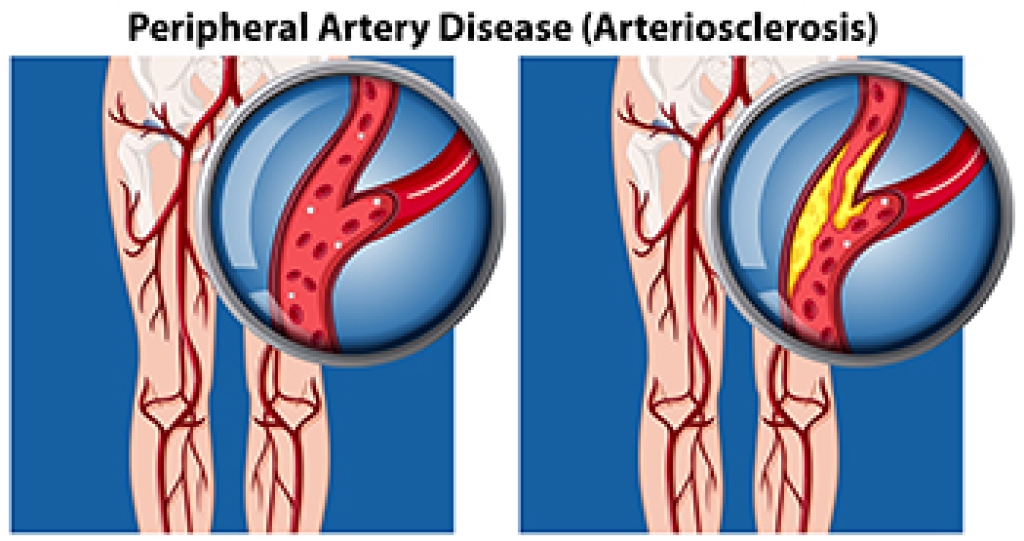
Peripheral artery disease, or PAD, develops when arteries in the legs become narrow or blocked. As a result, the feet receive less oxygen-rich blood. PAD can cause aching, cramping, and numbness in the legs and feet. Some individuals also experience weakness. Pain can begin when walking and ease with rest. Warning signs include cold feet and toes, pale skin, and slow-growing toenails. The skin can look bluish, smooth, or shiny. Because symptoms can seem related to aging or inactivity, patients do not seek care until the disease is more severe.
Reduced circulation makes foot injuries harder to heal. A cut can develop into an open sore because the tissue lacks enough blood to repair itself. Watch for wounds on the toes, heels, or ankles that heal slowly. Resting foot pain, skin-color changes, and unusually cool areas also deserve prompt attention. Severe PAD can lead to tissue death, called gangrene, and could require surgery or loss of limb. PAD also raises the risk of heart attack and stroke. Smoking can worsen PAD, so quitting is an important step. Regular exercise can improve circulation and reduce leg pain, but patients should ask their podiatrist to recommend appropriate activities.
A podiatrist can examine the feet for changes that point to poor circulation. The visit can include checking skin temperature, checking for pulses, and examining nails and wounds. A podiatrist can also perform or arrange an ankle-brachial index test. This test compares blood pressure at the ankle with blood pressure in the arm. The results can show whether blood flow to the legs is reduced. A podiatrist can manage wounds and help prevent infection. Early diagnosis protects the feet and supports better overall health. If you have symptoms of peripheral artery disease, it is suggested that you schedule an appointment with a podiatrist for a diagnosis and appropriate treatment and management solutions.
Peripheral artery disease can pose a serious risk to your health. It can increase the risk of stroke and heart attack. If you have symptoms of peripheral artery disease, consult with one of our doctors from Toe-Tal Health Solutions. Our doctors will assess your condition and provide you with quality foot and ankle treatment.
Peripheral artery disease (PAD) is when arteries are constricted due to plaque (fatty deposits) build-up. This results in less blood flow to the legs and other extremities. The main cause of PAD is atherosclerosis, in which plaque builds up in the arteries.
Symptoms
Symptoms of PAD include:
It is important to note that a majority of individuals never show any symptoms of PAD.
Diagnosis
While PAD occurs in the legs and arteries, Podiatrists can diagnose PAD. Podiatrists utilize a test called an ankle-brachial index (ABI). An ABI test compares blood pressure in your arm to you ankle to see if any abnormality occurs. Ultrasound and imaging devices may also be used.
Treatment
Fortunately, lifestyle changes such as maintaining a healthy diet, exercising, managing cholesterol and blood sugar levels, and quitting smoking, can all treat PAD. Medications that prevent clots from occurring can be prescribed. Finally, in some cases, surgery may be recommended.
If you have any questions, please feel free to contact our office located in Southern California and Las Vegas, NV . We offer the newest diagnostic and treatment technologies for all your foot care needs.


