Blog
Items filtered by date: March 2025
Understanding Charcot Foot and Its Warning Signs
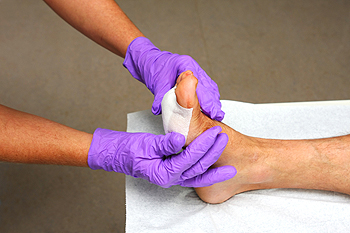
Charcot foot is a serious condition that affects people with peripheral neuropathy, most commonly those with diabetes. It weakens the bones in the foot, causing them to fracture and dislocate without significant pain. As the condition progresses, the arch collapses, leading to a rocker-bottom type of deformity. Early signs include swelling, redness, and warmth in the foot, often mistaken for infection. If left untreated, Charcot foot can lead to severe deformity, ulceration, and an increased risk of limb loss. Early diagnosis and treatment are critical. Offloading the foot with a total contact cast or custom orthotic device helps protect and stabilize the bones during healing. In advanced cases, surgery may be necessary. If you have diabetes and notice changes in your feet, it is suggested that you see a podiatrist for a proper diagnosis and treatment.
Wound care is an important part in dealing with diabetes. If you have diabetes and a foot wound or would like more information about wound care for diabetics, consult with one of our podiatrists from Toe-Tal Family Foot & Wound Care Professionals . Our doctors will assess your condition and provide you with quality foot and ankle treatment.
What Is Wound Care?
Wound care is the practice of taking proper care of a wound. This can range from the smallest to the largest of wounds. While everyone can benefit from proper wound care, it is much more important for diabetics. Diabetics often suffer from poor blood circulation which causes wounds to heal much slower than they would in a non-diabetic.
What Is the Importance of Wound Care?
While it may not seem apparent with small ulcers on the foot, for diabetics, any size ulcer can become infected. Diabetics often also suffer from neuropathy, or nerve loss. This means they might not even feel when they have an ulcer on their foot. If the wound becomes severely infected, amputation may be necessary. Therefore, it is of the upmost importance to properly care for any and all foot wounds.
How to Care for Wounds
The best way to care for foot wounds is to prevent them. For diabetics, this means daily inspections of the feet for any signs of abnormalities or ulcers. It is also recommended to see a podiatrist several times a year for a foot inspection. If you do have an ulcer, run the wound under water to clear dirt from the wound; then apply antibiotic ointment to the wound and cover with a bandage. Bandages should be changed daily and keeping pressure off the wound is smart. It is advised to see a podiatrist, who can keep an eye on it.
If you have any questions please contact our office located in Vista, CA and Las Vegas, NV . We offer the newest diagnostic and treatment technologies for all your foot and ankle needs.
Understanding Charcot Foot and Its Warning Signs
Charcot foot is a serious condition that affects people with peripheral neuropathy, most commonly those with diabetes. It weakens the bones in the foot, causing them to fracture and dislocate without significant pain. As the condition progresses, the arch collapses, leading to a rocker-bottom type of deformity. Early signs include swelling, redness, and warmth in the foot, often mistaken for infection. If left untreated, Charcot foot can lead to severe deformity, ulceration, and an increased risk of limb loss. Early diagnosis and treatment are critical. Offloading the foot with a total contact cast or custom orthotic device helps protect and stabilize the bones during healing. In advanced cases, surgery may be necessary. If you have diabetes and notice changes in your feet, it is suggested that you see a podiatrist for a proper diagnosis and treatment.
Wound care is an important part in dealing with diabetes. If you have diabetes and a foot wound or would like more information about wound care for diabetics, consult with one of our podiatrists from Toe-Tal Family Foot & Wound Care Professionals . Our doctors will assess your condition and provide you with quality foot and ankle treatment.
What Is Wound Care?
Wound care is the practice of taking proper care of a wound. This can range from the smallest to the largest of wounds. While everyone can benefit from proper wound care, it is much more important for diabetics. Diabetics often suffer from poor blood circulation which causes wounds to heal much slower than they would in a non-diabetic.
What Is the Importance of Wound Care?
While it may not seem apparent with small ulcers on the foot, for diabetics, any size ulcer can become infected. Diabetics often also suffer from neuropathy, or nerve loss. This means they might not even feel when they have an ulcer on their foot. If the wound becomes severely infected, amputation may be necessary. Therefore, it is of the upmost importance to properly care for any and all foot wounds.
How to Care for Wounds
The best way to care for foot wounds is to prevent them. For diabetics, this means daily inspections of the feet for any signs of abnormalities or ulcers. It is also recommended to see a podiatrist several times a year for a foot inspection. If you do have an ulcer, run the wound under water to clear dirt from the wound; then apply antibiotic ointment to the wound and cover with a bandage. Bandages should be changed daily and keeping pressure off the wound is smart. It is advised to see a podiatrist, who can keep an eye on it.
If you have any questions, please feel free to contact our office located in Vista, CA and Las Vegas, NV . We offer the newest diagnostic and treatment technologies for all your foot care needs.
The Importance of Diabetic Foot Care
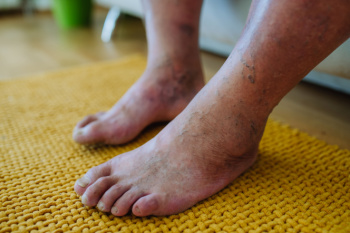
Proper foot care is essential for individuals with diabetes to prevent complications that can lead to serious infections or ulcers. Daily foot inspection helps identify cuts, blisters, or changes in skin color before they become severe. Washing feet with mild soap and warm water keeps the skin clean and reduces the risk of infections. Protecting feet by keeping them moisturized and avoiding walking barefoot prevents injuries that may go unnoticed due to reduced sensation. Wearing well-fitted, supportive footwear helps prevent pressure points and friction that can lead to sores. Additionally, keeping toenails trimmed straight across reduces the risk of ingrown nails and infections. If you have diabetes, it is strongly suggested that you visit a podiatrist regularly who can help you to manage this serious condition.
Diabetic foot care is important in preventing foot ailments such as ulcers. If you are suffering from diabetes or have any other concerns about your feet, contact one of our podiatrists from Toe-Tal Family Foot & Wound Care Professionals . Our doctors can provide the care you need to keep you pain-free and on your feet.
Diabetic Foot Care
Diabetes affects millions of people every year. The condition can damage blood vessels in many parts of the body, especially the feet. Because of this, taking care of your feet is essential if you have diabetes, and having a podiatrist help monitor your foot health is highly recommended.
The Importance of Caring for Your Feet
- Routinely inspect your feet for bruises or sores.
- Wear socks that fit your feet comfortably.
- Wear comfortable shoes that provide adequate support.
Patients with diabetes should have their doctor monitor their blood levels, as blood sugar levels play such a huge role in diabetic care. Monitoring these levels on a regular basis is highly advised.
It is always best to inform your healthcare professional of any concerns you may have regarding your feet, especially for diabetic patients. Early treatment and routine foot examinations are keys to maintaining proper health, especially because severe complications can arise if proper treatment is not applied.
If you have any questions, please feel free to contact our office located in Vista, CA and Las Vegas, NV . We offer the newest diagnostic and treatment technologies for all your foot care needs.
The Importance of Diabetic Foot Care
Proper foot care is essential for individuals with diabetes to prevent complications that can lead to serious infections or ulcers. Daily foot inspection helps identify cuts, blisters, or changes in skin color before they become severe. Washing feet with mild soap and warm water keeps the skin clean and reduces the risk of infections. Protecting feet by keeping them moisturized and avoiding walking barefoot prevents injuries that may go unnoticed due to reduced sensation. Wearing well-fitted, supportive footwear helps prevent pressure points and friction that can lead to sores. Additionally, keeping toenails trimmed straight across reduces the risk of ingrown nails and infections. If you have diabetes, it is strongly suggested that you visit a podiatrist regularly who can help you to manage this serious condition.
Diabetic foot care is important in preventing foot ailments such as ulcers. If you are suffering from diabetes or have any other concerns about your feet, contact one of our podiatrists from Toe-Tal Family Foot & Wound Care Professionals . Our doctors can provide the care you need to keep you pain-free and on your feet.
Diabetic Foot Care
Diabetes affects millions of people every year. The condition can damage blood vessels in many parts of the body, especially the feet. Because of this, taking care of your feet is essential if you have diabetes, and having a podiatrist help monitor your foot health is highly recommended.
The Importance of Caring for Your Feet
- Routinely inspect your feet for bruises or sores.
- Wear socks that fit your feet comfortably.
- Wear comfortable shoes that provide adequate support.
Patients with diabetes should have their doctor monitor their blood levels, as blood sugar levels play such a huge role in diabetic care. Monitoring these levels on a regular basis is highly advised.
It is always best to inform your healthcare professional of any concerns you may have regarding your feet, especially for diabetic patients. Early treatment and routine foot examinations are keys to maintaining proper health, especially because severe complications can arise if proper treatment is not applied.
If you have any questions please feel free to contact our office located in Vista, CA and Las Vegas, NV . We offer the newest diagnostic and treatment technologies for all your foot and ankle needs.
Bunions and Simple Exercises for Relief
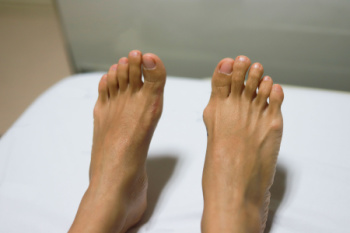
A bunion is a bony bump that forms at the base of the big toe, causing discomfort, swelling, and difficulty wearing certain shoes. It develops when the big toe shifts toward the others, often due to genetics, improper footwear, or foot mechanics. While bunions cannot be reversed without surgery, exercises can help strengthen the foot and reduce pain. Toe stretches improve flexibility and relieve tension. Pulling the big toe gently away from the others and holding for a few seconds helps maintain mobility. Arch lifts strengthen foot muscles by raising and lowering the arches while keeping toes on the ground. Toe curls with a towel improve grip strength and foot stability. These exercises, along with proper footwear, can ease discomfort. If you have a painful bunion, it is suggested that you see a podiatrist who can assess its severity, recommend custom orthotics, and provide additional treatments for long-term relief and foot health.
If you are suffering from bunions, contact one of our podiatrists of Toe-Tal Family Foot & Wound Care Professionals . Our doctors can provide the care you need to keep you pain-free and on your feet.
What Is a Bunion?
A bunion is formed of swollen tissue or an enlargement of boney growth, usually located at the base joint of the toe that connects to the foot. The swelling occurs due to the bones in the big toe shifting inward, which impacts the other toes of the foot. This causes the area around the base of the big toe to become inflamed and painful.
Why Do Bunions Form?
Genetics – Susceptibility to bunions are often hereditary
Stress on the feet – Poorly fitted and uncomfortable footwear that places stress on feet, such as heels, can worsen existing bunions
How Are Bunions Diagnosed?
Doctors often perform two tests – blood tests and x-rays – when trying to diagnose bunions, especially in the early stages of development. Blood tests help determine if the foot pain is being caused by something else, such as arthritis, while x-rays provide a clear picture of your bone structure to your doctor.
How Are Bunions Treated?
- Refrain from wearing heels or similar shoes that cause discomfort
- Select wider shoes that can provide more comfort and reduce pain
- Anti-inflammatory and pain management drugs
- Orthotics or foot inserts
- Surgery
If you have any questions, please feel free to contact our office located in Vista, CA and Las Vegas, NV . We offer the newest diagnostic and treatment technologies for all your foot care needs.
Bunions and Simple Exercises for Relief
A bunion is a bony bump that forms at the base of the big toe, causing discomfort, swelling, and difficulty wearing certain shoes. It develops when the big toe shifts toward the others, often due to genetics, improper footwear, or foot mechanics. While bunions cannot be reversed without surgery, exercises can help strengthen the foot and reduce pain. Toe stretches improve flexibility and relieve tension. Pulling the big toe gently away from the others and holding for a few seconds helps maintain mobility. Arch lifts strengthen foot muscles by raising and lowering the arches while keeping toes on the ground. Toe curls with a towel improve grip strength and foot stability. These exercises, along with proper footwear, can ease discomfort. If you have a painful bunion, it is suggested that you see a podiatrist who can assess its severity, recommend custom orthotics, and provide additional treatments for long-term relief and foot health.
If you are suffering from bunions, contact one of our podiatrists of Toe-Tal Family Foot & Wound Care Professionals . Our doctors can provide the care you need to keep you pain-free and on your feet.
What Is a Bunion?
A bunion is formed of swollen tissue or an enlargement of boney growth, usually located at the base joint of the toe that connects to the foot. The swelling occurs due to the bones in the big toe shifting inward, which impacts the other toes of the foot. This causes the area around the base of the big toe to become inflamed and painful.
Why Do Bunions Form?
Genetics – Susceptibility to bunions are often hereditary
Stress on the feet – Poorly fitted and uncomfortable footwear that places stress on feet, such as heels, can worsen existing bunions
How Are Bunions Diagnosed?
Doctors often perform two tests – blood tests and x-rays – when trying to diagnose bunions, especially in the early stages of development. Blood tests help determine if the foot pain is being caused by something else, such as arthritis, while x-rays provide a clear picture of your bone structure to your doctor.
How Are Bunions Treated?
- Refrain from wearing heels or similar shoes that cause discomfort
- Select wider shoes that can provide more comfort and reduce pain
- Anti-inflammatory and pain management drugs
- Orthotics or foot inserts
- Surgery
If you have any questions, please feel free to contact our office located in Vista, CA and Las Vegas, NV . We offer the newest diagnostic and treatment technologies for all your foot care needs.
Do Your Child's Feet Hurt?

Have your child's feet been examined lately? Healthy feet are happy feet. If your child is complaining of foot pain, it may be a sign of underlying problems.
Do Your Child's Feet Hurt?
Have your child's feet been examined lately? Healthy feet are happy feet. If your child is complaining of foot pain, it may be a sign of underlying problems.
Uncomfortable Swollen Feet and Ankles
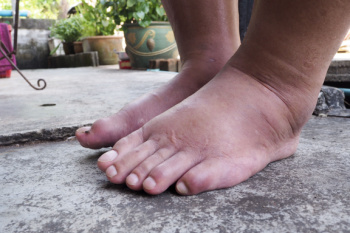
Swollen feet and ankles can occur for various reasons, often resulting from underlying health conditions or physical changes. Pregnancy is a common cause as the body retains more fluid, and the growing uterus places pressure on veins, affecting circulation. Foot and ankle injuries, such as sprains or fractures, can also cause swelling as the body responds to trauma with inflammation. Venous insufficiency occurs when the veins are unable to efficiently return blood to the heart, leading to fluid buildup in the lower legs and feet. Additionally, phlebitis, the inflammation of veins, can also contribute to swelling and discomfort. In each of these cases, swelling is usually accompanied by pain, redness, or warmth. If you have swollen feet or ankles, it is suggested that you consult a podiatrist who can determine what the cause is, and offer effective relief tips.
Swollen feet can be a sign of an underlying condition. If you have any concerns, contact one of our podiatrists of Toe-Tal Family Foot & Wound Care Professionals . Our doctors can provide the care you need to keep you pain-free and on your feet.
Swollen feet are a common ailment among pregnant women and people who stand or sit for extended periods. Aging may increase the possibility of swollen feet and patients who are obese often notice when their feet are swelling too. There may be medical reasons why swollen feet occur:
- Phlebitis - A condition that causes the veins to become inflamed and can also cause leg pain.
- Liver disease - This may lead to low blood levels of albumin which is a protein. This can cause fluid in the blood to pass into the tissues and several areas of the body can become swollen.
- Heart failure - When the heart doesn’t pump properly the blood that is normally pumped back to the heart can pool in the veins of the legs causing swollen feet.
- Kidney disease - One of the main functions of the kidneys is releasing excess fluid in the body. This type of condition can make it difficult for the kidneys to function properly, and as a result the feet may become swollen.
- Deep-vein thrombosis (DVT)- This is a serious condition where blood clots form in the veins of the legs. They can block the return of blood from the legs to the heart which may cause the feet to swell. It is important to be treated by a podiatrist if this condition is present.
Swollen feet can also be caused by bone and tendon conditions, including fractures, arthritis, and tendinitis. Additionally, there may be skin and toenail conditions and an infection may cause the feet to swell. Patients who take medicine to treat high blood pressure may be prone to getting swollen feet.
Many patients elevate their feet to help relieve the swelling and this is generally a temporary remedy. When a podiatrist is consulted the reason behind the swelling can be uncovered and subsequently treated.
If you have any questions please contact our office located in Vista, CA and Las Vegas, NV . We offer the newest diagnostic and treatment technologies for all your foot and ankle needs.
Uncomfortable Swollen Feet and Ankles
Swollen feet and ankles can occur for various reasons, often resulting from underlying health conditions or physical changes. Pregnancy is a common cause as the body retains more fluid, and the growing uterus places pressure on veins, affecting circulation. Foot and ankle injuries, such as sprains or fractures, can also cause swelling as the body responds to trauma with inflammation. Venous insufficiency occurs when the veins are unable to efficiently return blood to the heart, leading to fluid buildup in the lower legs and feet. Additionally, phlebitis, the inflammation of veins, can also contribute to swelling and discomfort. In each of these cases, swelling is usually accompanied by pain, redness, or warmth. If you have swollen feet or ankles, it is suggested that you consult a podiatrist who can determine what the cause is, and offer effective relief tips.
Swollen feet can be a sign of an underlying condition. If you have any concerns, contact one of our podiatrists of Toe-Tal Family Foot & Wound Care Professionals . Our doctors can provide the care you need to keep you pain-free and on your feet.
Swollen feet are a common ailment among pregnant women and people who stand or sit for extended periods. Aging may increase the possibility of swollen feet and patients who are obese often notice when their feet are swelling too. There may be medical reasons why swollen feet occur:
- Phlebitis - A condition that causes the veins to become inflamed and can also cause leg pain.
- Liver disease - This may lead to low blood levels of albumin which is a protein. This can cause fluid in the blood to pass into the tissues and several areas of the body can become swollen.
- Heart failure - When the heart doesn’t pump properly the blood that is normally pumped back to the heart can pool in the veins of the legs causing swollen feet.
- Kidney disease - One of the main functions of the kidneys is releasing excess fluid in the body. This type of condition can make it difficult for the kidneys to function properly, and as a result the feet may become swollen.
- Deep-vein thrombosis (DVT)- This is a serious condition where blood clots form in the veins of the legs. They can block the return of blood from the legs to the heart which may cause the feet to swell. It is important to be treated by a podiatrist if this condition is present.
Swollen feet can also be caused by bone and tendon conditions, including fractures, arthritis, and tendinitis. Additionally, there may be skin and toenail conditions and an infection may cause the feet to swell. Patients who take medicine to treat high blood pressure may be prone to getting swollen feet.
Many patients elevate their feet to help relieve the swelling and this is generally a temporary remedy. When a podiatrist is consulted the reason behind the swelling can be uncovered and subsequently treated.
If you have any questions please feel free to contact our office located in Vista, CA and Las Vegas, NV . We offer the newest diagnostic tools and technology to treat your foot and ankle needs.


